

Cannabinoid hyperemesis syndrome (CHS) was first described as a named clinical pattern in a peer-reviewed case series published in Gut in November 2004. Allen and colleagues identified 19 possible patients in South Australia and presented nine followed cases. Their report connected chronic cannabis exposure with recurring vomiting, compulsive hot bathing, and improvement after cannabis cessation.
That date needs context. November 2004 marks the first widely cited formal description of CHS in medical literature; it does not mean the condition suddenly began that year. Similar symptoms may have occurred earlier without being recognized as one recurring cannabis-associated pattern.
When was CHS discovered? The 2004 case series
The original report was small and observational. It could identify a notable pattern, but it could not calculate how common CHS was in the general population or prove that every feature occurred in every patient. Seven of the followed patients stopped cannabis and their illness resolved; three later restarted cannabis and became ill again, according to the published abstract.
The report also described hot bathing behavior, a clue that later became closely associated with CHS. Hot showers are not a diagnostic test: people with other vomiting conditions may also use heat, and a person can have suspected CHS without reporting that behavior.
When did CHS become a recognized syndrome?
Recognition developed in stages. The 2004 case series introduced the clinical pattern. Rome IV included cannabinoid hyperemesis in its 2016 framework for disorders of gut-brain interaction. In 2024, the American Gastroenterological Association published a Clinical Practice Update devoted to diagnosis and management. A dedicated U.S. ICD-10-CM code, R11.16, became effective October 1, 2025 for fiscal year 2026.
These milestones do different jobs. A clinical description helps clinicians notice a pattern. Diagnostic criteria organize evaluation. Expert guidance reviews evidence and practice. An ICD-10-CM code supports documentation and reporting. None functions as a laboratory test that confirms CHS by itself.
How long has CHS been around?
CHS has been documented in peer-reviewed medical literature since 2004—over two decades by 2026. The biological illness may predate its name. Medical syndromes are often recognized only after clinicians compare repeated cases and identify a consistent relationship among exposure, symptoms, and recovery.
Changing cannabis markets may also affect what clinicians see. Frequency of use, potency, product type, dose patterns, and individual susceptibility are active research questions. The existence of newer products does not establish a single cause for every case, and heavy cannabis use does not make every vomiting episode CHS.
Is CHS rare? Why there is no universal prevalence number
The honest answer is that CHS prevalence remains uncertain. Studies recruit different populations and use different definitions. A national household sample, a survey of daily cannabis users, an emergency-department chart review, and a study of clinician-diagnosed cases do not measure the same thing.
Some studies count self-reported CHS-like symptoms, while others require a diagnosis or follow-up during abstinence. Cannabis exposure may be underreported, other vomiting disorders can overlap, and coding practices have changed. Each estimate should therefore be read with its population, method, definition, and follow-up period attached.
Compare current CHS prevalence studies and what each estimate can actually tell us.
What are the three stages of CHS?
CHS is often described in three phases:
- Prodromal phase: recurring nausea, abdominal discomfort, or fear of vomiting may develop while cannabis use continues.
- Hyperemetic phase: repeated vomiting can become severe and may cause dehydration, electrolyte problems, or other complications.
- Recovery phase: symptoms improve after cannabis cessation, although the pace differs and other causes may need reassessment if symptoms persist.
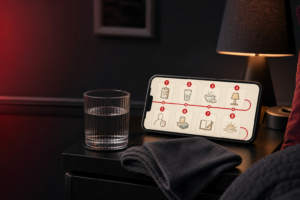
The phase model is useful for organizing a timeline, but it does not confirm CHS. See the three stages of the CHS cycle in a visual guide.
How is CHS diagnosed?
There is no single blood test, scan, symptom, or quiz that confirms CHS. A clinician evaluates the pattern of cannabis exposure and recurring vomiting, checks for urgent complications, and considers other gastrointestinal, metabolic, neurologic, infectious, pregnancy-related, and medication-related causes when relevant.
Improvement during sustained complete cannabis abstinence is an important part of the clinical picture. Switching to another cannabis product, including edibles, concentrates, delta-8 products, or CBD, does not create a clear abstinence period.
Review how clinicians evaluate suspected CHS or use the private CHS symptom-pattern check to organize details for a medical conversation.
How long does CHS last after quitting cannabis?
There is no guaranteed countdown. Acute vomiting, hydration, appetite, sleep, withdrawal symptoms, and full return to routine may improve on different schedules. Clinical follow-up matters because persistent, worsening, or atypical symptoms may point to another condition.
Complete abstinence gives the recovery timeline useful context. Recording the last-use date, vomiting episodes, hydration, treatments, and symptom changes can help a clinician assess the pattern. Follow the CHS recovery timeline.
Choose the CHS resource that matches your question
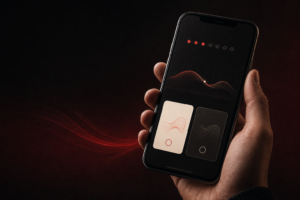
- Could this pattern fit CHS? Compare recurring clues in a private, guided check.
- Vomiting or dehydration now? Review urgent warning signs and episode priorities.
- How common is CHS? Read prevalence estimates with their methods and limitations.
- What does current research show? Explore evidence, mechanisms, and unanswered questions.
Sources
- Allen et al. Cannabinoid hyperemesis: cyclical hyperemesis in association with chronic cannabis abuse. Gut. 2004.
- Schmulson and Drossman. What Is New in Rome IV. 2017.
- AGA Clinical Practice Update on Diagnosis and Management of Cannabinoid Hyperemesis Syndrome. 2024.
- FY 2026 ICD-10-CM Official Guidelines for Coding and Reporting.
- Sorensen et al. Cannabinoid Hyperemesis Syndrome: Diagnosis, Pathophysiology, and Treatment—a Systematic Review. 2017.
- Recent nationwide U.S. research on cannabinoid hyperemesis syndrome. 2026.
Selected clinical references
- AGA Clinical Practice Update on CHS diagnosis and management (2024)
- Systematic review: CHS diagnosis and treatment
- NCBI Bookshelf: CHS clinical overview
Sources are selected for the topic of this page. CHS SOS provides general education, not diagnosis or individualized medical advice, and does not describe content as medically reviewed unless that is explicitly stated.
Questions readers often ask
When was cannabinoid hyperemesis syndrome first discovered?
CHS was first described as a named clinical pattern in a peer-reviewed Gut case series published in November 2004. The report presented nine followed cases from South Australia after identifying 19 possible patients.
When did CHS become a recognized syndrome?
The 2004 case series established the widely cited clinical description. Rome IV included CHS in its 2016 diagnostic framework, the AGA published clinical guidance in 2024, and U.S. ICD-10-CM code R11.16 became effective October 1, 2025.
Is CHS rare?
There is no single population-wide prevalence estimate. Studies examine different groups and may measure self-reported symptoms, emergency visits, or clinician-diagnosed CHS, so their percentages are not interchangeable.
What are the three stages of CHS?
CHS is often described in prodromal, hyperemetic, and recovery phases. The model helps organize a recurring pattern, but the phases do not replace clinical evaluation or rule out other causes of vomiting.
How is CHS diagnosed?
There is no single confirming test. Clinicians evaluate cannabis exposure, recurring vomiting episodes, urgent findings, competing diagnoses, and whether symptoms improve during sustained complete abstinence.
Medical disclaimer: CHS SOS provides educational information and does not diagnose or treat medical conditions. Seek advice from a qualified healthcare professional.


Leave a comment