

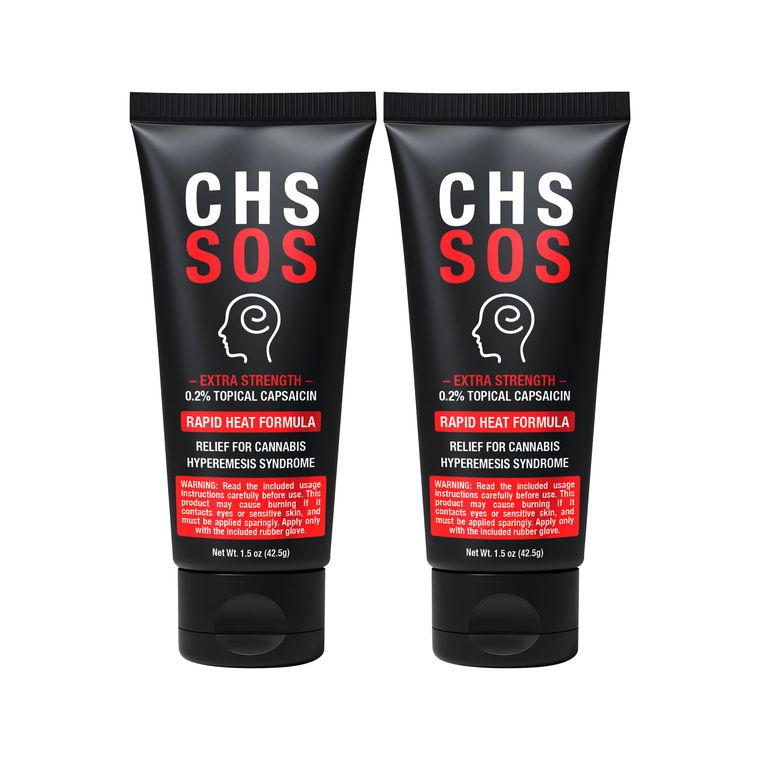
Cannabis use.Recurring vomiting.Could it be CHS?
Compare the pattern, check urgent warning signs, and find the right next step for an episode or recovery.
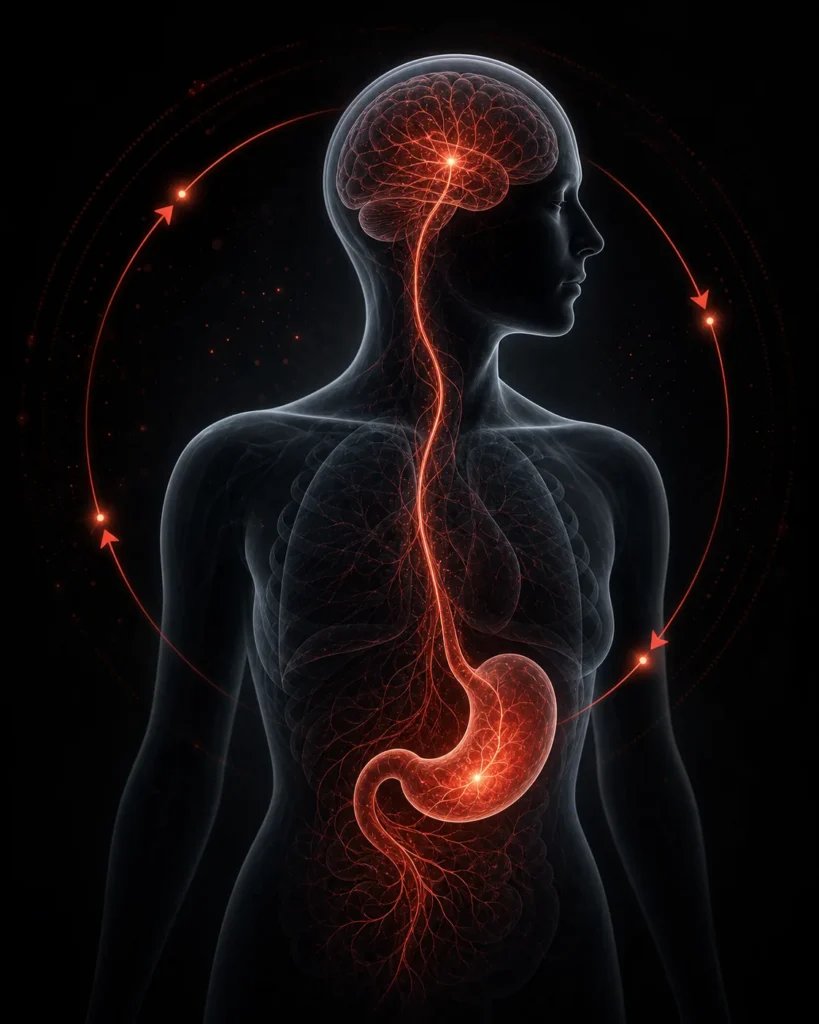 Why the cycle may repeat
Educational information only — not a diagnosis or a substitute for medical care.
What are you dealing with today?
Pick the option closest to your situation. You will get one focused place to start; this guide cannot diagnose CHS.

See the full CHS pattern first.
Learn how recurring symptoms, cannabis exposure, urgent warning signs, and recovery fit together in one guide.
See whether the pattern could fit CHS
Compare common symptoms, the recurring stages, and factors clinicians consider. No single sign can confirm CHS.
Cannabinoid Hyperemesis Syndrome: The Complete Guide
See how symptoms, cannabis exposure, urgent warning signs, evaluation, and recovery fit together.
Read this guide
CHS Symptoms: Signs, Stages, and When to Seek Care
Check early, acute, and recovery-stage symptoms—and know which warning signs need urgent care.
Read this guide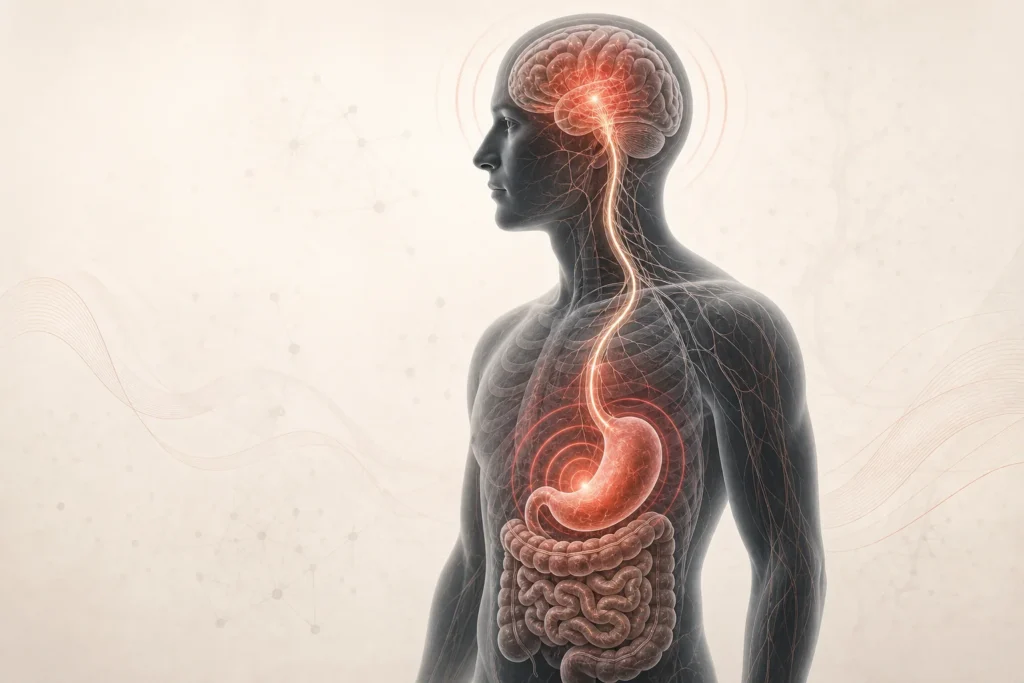
What Causes CHS? The Science Behind the Syndrome
Explore how prolonged cannabis exposure, individual biology, and the endocannabinoid system may interact.
Read this guideWhat do you need right now?
Choose one clear next step. These tools provide education, not a diagnosis.
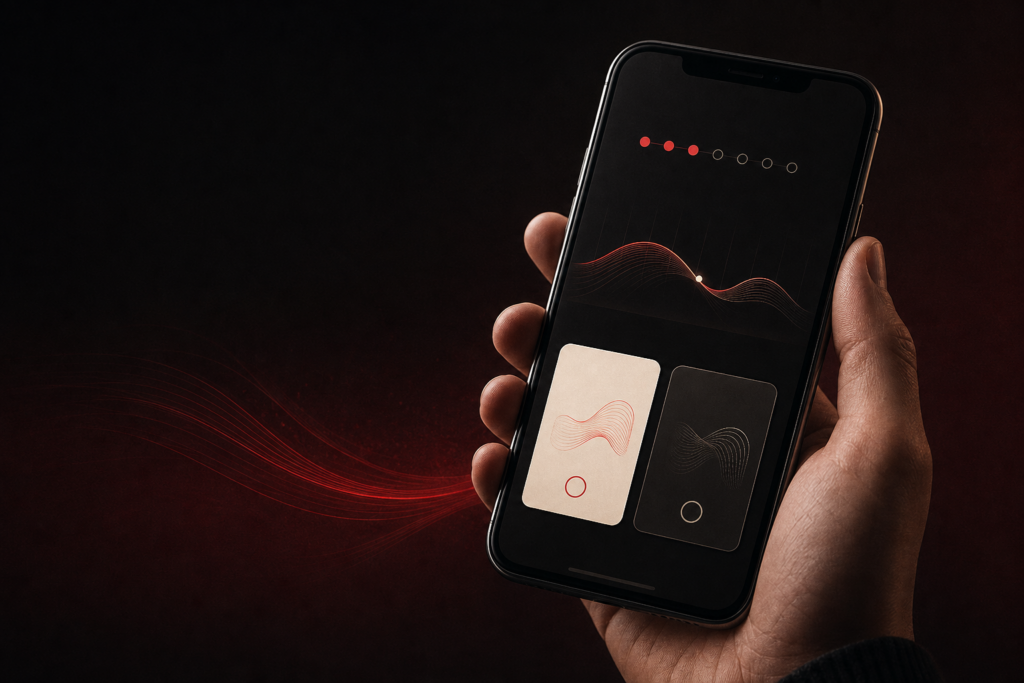 Private · about 60 seconds
Could this be CHS?
Compare your experience in seven private questions. Your answers stay in this browser.
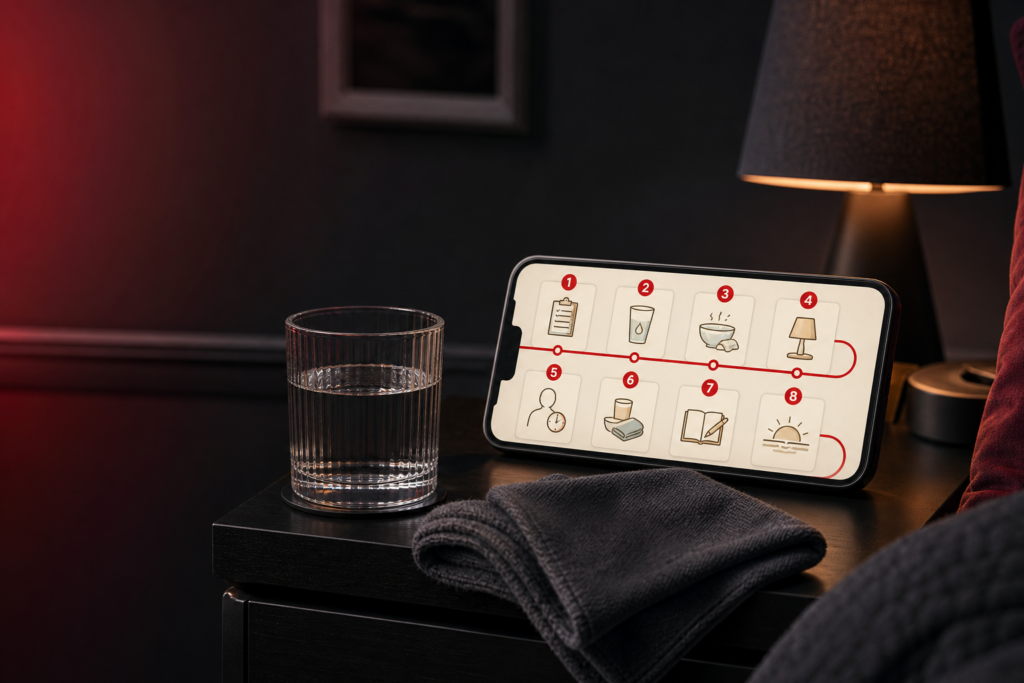
Follow a clear action plan.
Review warning signs, hydration and safer next steps.
Open Action Plan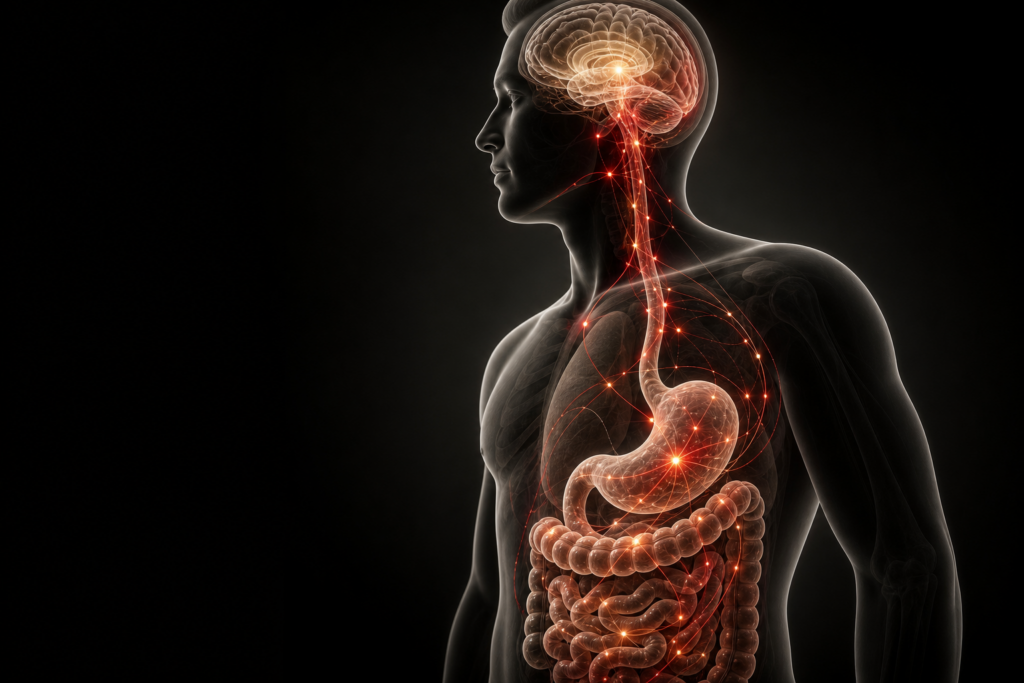
Understand what recovery can look like.
See what may improve first and why symptoms can return.
View recovery timelineNew articles, research summaries, product updates, and community news.
Know when an episode may be starting
Compare early warning signs, understand the recurring stages, and prepare the details a clinician will need.
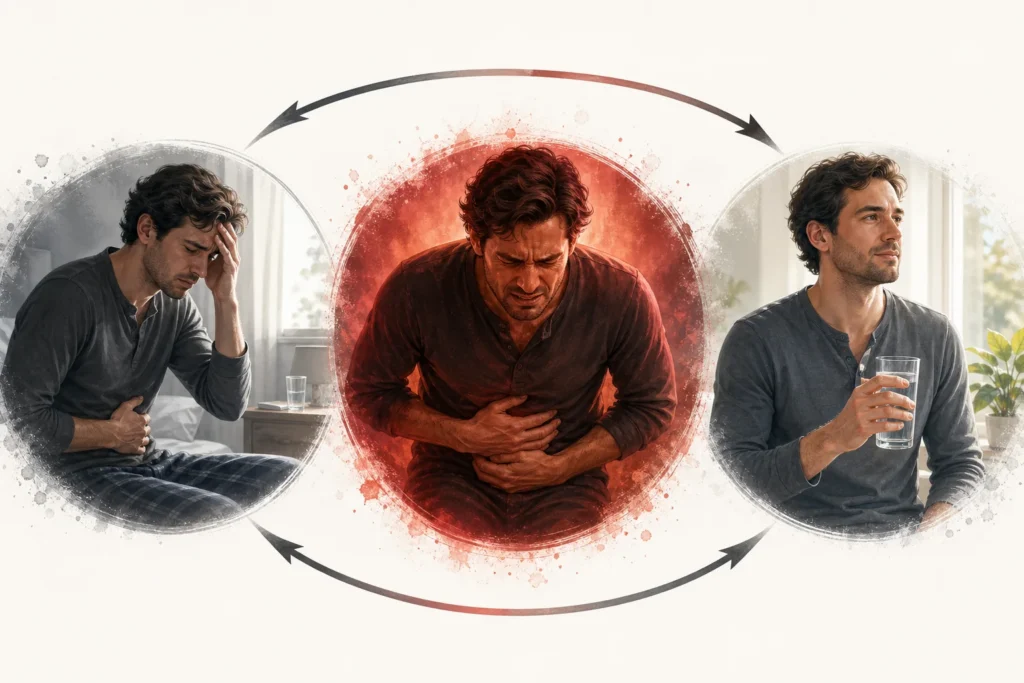
The Stages of the CHS Cycle, Explained
Follow the prodromal, hyperemetic, and recovery phases to see how the cycle may repeat.
Read this guide
Managing Nausea and Daily Life During CHS Cycles
Prepare for daily needs and a more useful clinician conversation while symptoms are active.
Read this guide
The CHS Prodromal Phase: The Earliest Stage
Spot recurring morning nausea and other possible early signs before symptoms become more intense.
Read this guideKnow what recovery may look like
See what may improve first, why recurrence is possible, and where sustained cannabis abstinence and support fit.
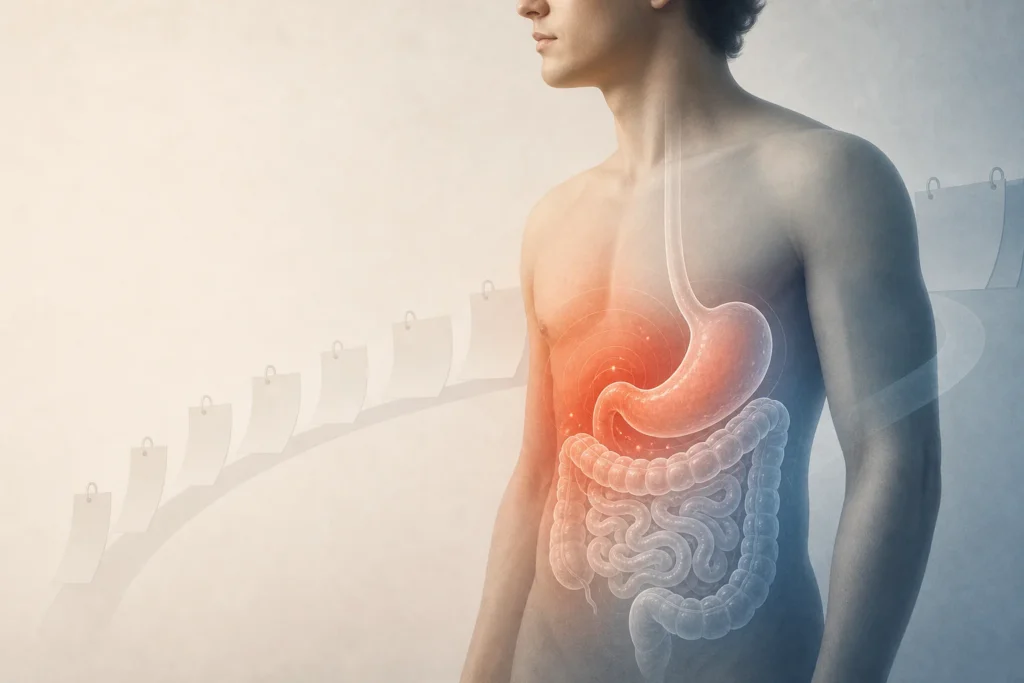
Is CHS Permanent? Recovery, Relapse, and What to Expect
Understand what evidence says about recovery, recurrence, and sustained cannabis abstinence.
Read this guide
CHS Recovery Timeline: What to Expect as Symptoms Improve
See what may improve first and what can take longer after stopping cannabis.
Read this guide
Quitting Cannabis After CHS: A Practical and Supportive Guide
Find practical support for stopping cannabis, managing adjustment, and preventing recurrence.
Read this guideExplore the newest CHS guides
Read the latest additions on symptoms, recovery, and emerging evidence.
How Common Is CHS? What Prevalence Studies Can Tell Us
CHS prevalence estimates vary widely. Learn why the numbers are uncertain, who is most at risk, and how to interpret research without self-diagnosing.
Read this guide
Gastroparesis vs. CHS: How to Tell Them Apart
Gastroparesis and CHS can both cause nausea and vomiting, but their patterns and clinical tests differ. See what to track before an evaluation.
Read this guide
CBD for Nausea: Why Suspected CHS Needs Caution
CBD is not an established treatment for suspected CHS. Learn why adding another cannabinoid may obscure the pattern and when nausea needs medical care.
Read this guideBring a clear symptom and cannabis-use timeline.
Use the Action Plan to record episodes, warning signs, hydration problems, hot-water behavior, cannabis use, and questions for your clinician.