
CHS risk is not determined by one product, one demographic trait, or one exact dose. The most consistent exposure pattern in clinical guidance is prolonged, frequent cannabis use, while individual susceptibility and the biological mechanism remain incompletely understood.
Risk factors can help a clinician decide when CHS belongs in the differential diagnosis. They cannot confirm that CHS is the cause of current symptoms, and they should never delay evaluation for dehydration or another urgent condition.
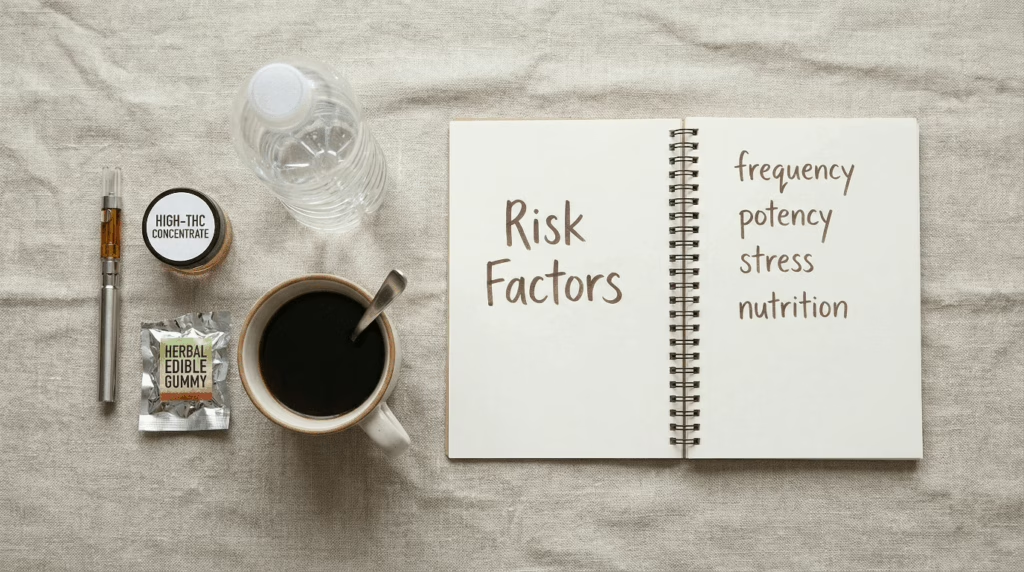
Frequency and duration are the clearest exposure signals
Most published clinical descriptions involve cannabis use over an extended period, often daily or near-daily. Professional criteria use exposure history alongside the pattern of recurrent episodes and sustained symptom resolution during abstinence. No minimum amount or duration works as a universal cutoff for every patient.
A useful history is more specific than asking whether someone uses cannabis. Record days used per week, sessions per day, product types, route, potency when known, dose changes, concentrates, CBD or delta products, and the timing of the last use.
Potency and product type may affect exposure
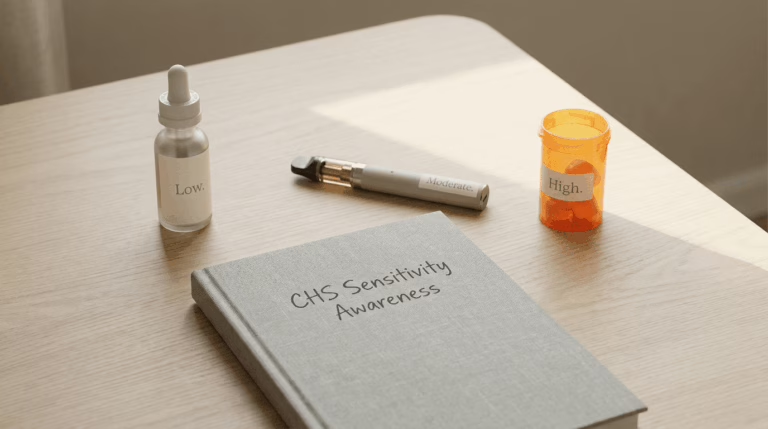
Concentrates and high-potency products can deliver a large cannabinoid dose, but the evidence does not support a simple rule that one product causes CHS and another is safe. Edibles, inhaled products, synthetic cannabinoids, and products marketed as CBD can all complicate the exposure history.
Switching products, lowering the dose, or taking a short tolerance break does not create the sustained cannabinoid-free period used to evaluate suspected CHS. Product labels may also be incomplete or inaccurate, which adds uncertainty.
Individual susceptibility is still being studied
Only a subset of people with frequent exposure appear to develop CHS. Researchers are studying metabolism, receptor signaling, genetics, stress physiology, coexisting conditions, and patterns of use. None of these has produced a validated clinical risk calculator or consumer test.
Age, sex, race, or a single genetic result should not be used to dismiss symptoms or label someone as destined to develop CHS. Associations from a study describe a group and may not apply to an individual.
Symptoms and follow-up determine the next step
Repeated episodes, hot-water behavior, symptom-free intervals, prolonged exposure, and improvement during sustained abstinence can strengthen the clinical case. Each feature still has limitations. Hot-water relief occurs in other vomiting disorders, and cannabis use can coexist with infection, pregnancy-related vomiting, medication effects, obstruction, or metabolic illness.
Bring a structured timeline to a clinician and seek urgent care when fluids will not stay down, urine output falls, or fainting, confusion, blood, chest pain, severe weakness, fever, or severe pain appears. Risk assessment is useful only when it leads to safer evaluation and follow-up.
Continue with a focused next step
Sources and further reading
- AGA Clinical Practice Update on CHS (2024)
- Systematic review of CHS characteristics
- U.S. prevalence and risk-factor study (2026)
Selected clinical references
- AGA Clinical Practice Update on CHS diagnosis and management (2024)
- NIDDK: How cyclic vomiting syndrome is diagnosed
- NIDDK: How gastroparesis is diagnosed
Sources are selected for the topic of this page. CHS SOS provides general education, not diagnosis or individualized medical advice, and does not describe content as medically reviewed unless that is explicitly stated.
Questions readers often ask
What is the main takeaway from “CHS Risk Factors: Understanding What Increases the Likelihood of CHS-like Symptoms”?
Long-term, frequent cannabinoid exposure is central to CHS risk, but no checklist can predict who will develop it or diagnose a vomiting episode.
Can this information confirm a CHS diagnosis?
No. CHS overlaps with several gastrointestinal and medical conditions. A qualified clinician must evaluate the complete symptom pattern, cannabis exposure, examination findings, and other possible causes.
Can topical capsaicin replace cannabis cessation or medical care?
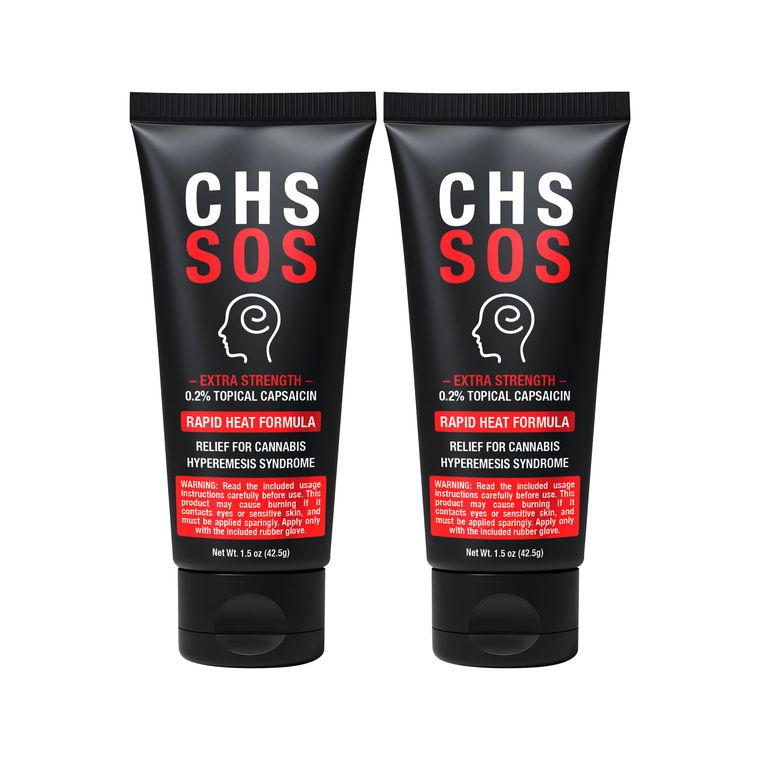
No. Topical capsaicin is discussed as a warming comfort option, not a cure. It does not replace complete cannabis cessation, hydration assessment, emergency care when warning signs are present, or individualized advice from a qualified clinician.
What should I do next if I am still unsure?
Use the CHS Symptom Check to organize the pattern, review the CHS Action Plan, and bring your timeline to a qualified clinician. Seek urgent care now if severe vomiting or dehydration warning signs are present.
Medical disclaimer: CHS SOS provides educational information and does not diagnose or treat medical conditions. Seek advice from a qualified healthcare professional.

Leave a comment