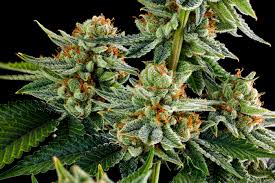
National Geographic has published an in-depth investigation into cannabinoid hyperemesis syndrome as part of its special series The New Cannabis, warning that emergency room visits linked to the condition doubled between 2017 and 2021, and that science still does not fully understand why it strikes some cannabis users and not others.
The report, written by Stacey Colino and Brian Kevin and last updated on August 12, 2025, frames the rise in CHS cases against a broader transformation in the nature of cannabis itself: products that are more potent, more accessible, and more socially normalized than at any previous point in history.
The case that opens the story: Sierra Callaham
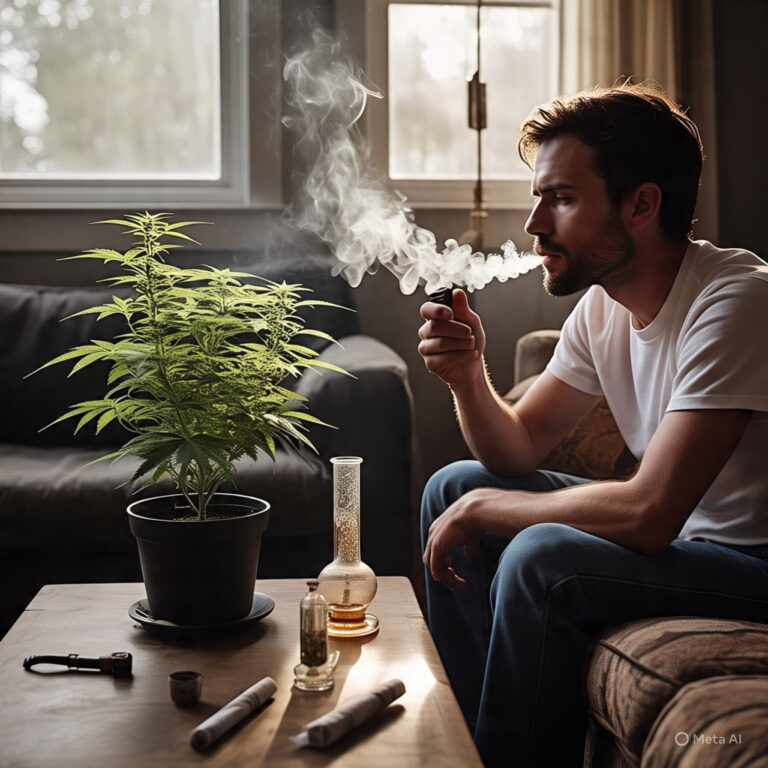
National Geographic opens its investigation with the story of Sierra Callaham, 23, to illustrate how CHS can develop in a user who appears to be consuming cannabis only moderately. Callaham used it every night as a sleep aid, vaping concentrated cannabis oil from a battery-powered pen. In late 2020, she suffered her first episode: a full month of daily abdominal pain, nausea, and cyclic vomiting that left her unable to function.
After what seemed like a recovery, she returned to vaping in 2024 and a second, more severe attack followed. Debilitating stomach cramps and uncontrollable daily vomiting sent her to the emergency room twice. It was at a subsequent urgent care visit that a physician asked directly whether she used cannabis. Every night, she said. The provisional diagnosis she received left her stunned: cannabinoid hyperemesis syndrome, sometimes simply called weed sickness.
What National Geographic reports about the science
National Geographic notes that CHS was first described by physicians in Australia in 2004 and was considered a clinical rarity for years. What has changed, the magazine reports, is not the syndrome itself, but the product causing it.
Deepak Cyril D’Souza, professor of psychiatry and director of the Yale Center for the Science of Cannabis and Cannabinoids, explains to National Geographic the dramatic leap in cannabis potency over recent decades. Thirty years ago, samples seized by the DEA averaged 4% THC content by weight. By 2022, that average had risen to approximately 16%, and the oil inside vape cartridges, like the ones Callaham was using, can reach as high as 85%. The products available today, D’Souza suggests, are qualitatively different from anything previous generations encountered.
National Geographic also cites a 2022 study published in the American Journal of Gastroenterology that compared CHS hospitalizations at a large Massachusetts hospital between 2012 and 2020. The data show a significant increase following the state’s cannabis legalization in late 2016, a correlation researchers say is difficult to dismiss.
The HPA axis, genetic susceptibility, and unknown triggers
One of the more scientifically substantive contributions of National Geographic’s report is its explanation of the biological mechanisms suspected to underlie CHS. According to experts consulted by the magazine, chronic cannabis use acts on the hypothalamic-pituitary-adrenal (HPA) axis, a central system governing the body’s stress response and hormonal regulation. One researcher explains to National Geographic that cannabis use “makes that pendulum swing further one way than the other,” potentially triggering symptoms by abnormally stimulating the HPA axis in susceptible individuals.
David Levinthal, director of the Neurogastroenterology and Motility Center at the University of Pittsburgh Medical Center, tells National Geographic that a genetic predisposition is likely involved, and that depression and anxiety are frequently present in people with the syndrome. “The paradox is, we don’t understand what’s triggering this in a particular moment,” Levinthal says. Among the leading suspects, he notes, are sleep deprivation and acute psychological stress.
Compulsive hot bathing: the symptom that puzzled patients themselves
National Geographic also gives significant attention to one of CHS’s most distinctive and clinically useful features: the temporary relief patients find in hot showers and baths. Expert Maria Isabel Angulo explains to the magazine that “people with CHS often report temporary relief of symptoms from bathing in hot water, which may lead to compulsive bathing.” During acute episodes, it is common for affected individuals to spend hours under scalding water, returning to the shower repeatedly throughout the day.
National Geographic notes that this behavior, for a long time interpreted as puzzling or hard to explain, is now one of the most valuable diagnostic indicators of CHS, and one of the reasons why physicians familiar with the condition can identify it far more quickly than colleagues who have never encountered it.
National Geographic’s conclusion: a problem science is only beginning to grasp
National Geographic concludes its investigation by emphasizing that CHS remains poorly understood even within the scientific community. Researchers still do not know with certainty what makes some chronic cannabis users develop the syndrome while others do not. What is clear, the magazine reports, is that the rise in cases correlates directly with rising THC potency and expanding legal access, and that as long as both trends continue, CHS will remain an inevitable consequence for a portion of the user population.
Selected clinical references
- AGA Clinical Practice Update on CHS diagnosis and management (2024)
- Systematic review: CHS diagnosis and treatment
- NCBI Bookshelf: CHS clinical overview
Sources are selected for the topic of this page. CHS SOS provides general education, not diagnosis or individualized medical advice, and does not describe content as medically reviewed unless that is explicitly stated.
Questions readers often ask
What is the main takeaway from “National Geographic Investigates: “ER Visits for This Cannabis-Linked Syndrome Have Doubled and Science Doesn’t Fully Understand Why””?
National Geographic has published an in-depth investigation into cannabinoid hyperemesis syndrome as part of its special series The New Cannabis, warning that emergency room visits linked to the condition doubled between 2017…
How should I use CHS research when speaking with a clinician?
Use research as context for a conversation, not as a self-diagnosis. Bring a clear timeline of cannabis use, vomiting cycles, hot-water behavior, hydration problems, treatments tried, and any periods of complete abstinence.
What should I do next if I am still unsure?
Use the CHS Symptom Check to organize the pattern, review the CHS Action Plan, and bring your timeline to a qualified clinician. Seek urgent care now if severe vomiting or dehydration warning signs are present.
Medical disclaimer: CHS SOS provides educational information and does not diagnose or treat medical conditions. Seek advice from a qualified healthcare professional.