

A productive CHS conversation is not about persuading a clinician of one diagnosis or defending cannabis use. It is about giving enough specific information to assess urgent risks, compare possible causes, and plan follow-up during complete abstinence.
You deserve a respectful evaluation, and the care team needs an accurate exposure history. Clear, neutral language makes both goals easier.
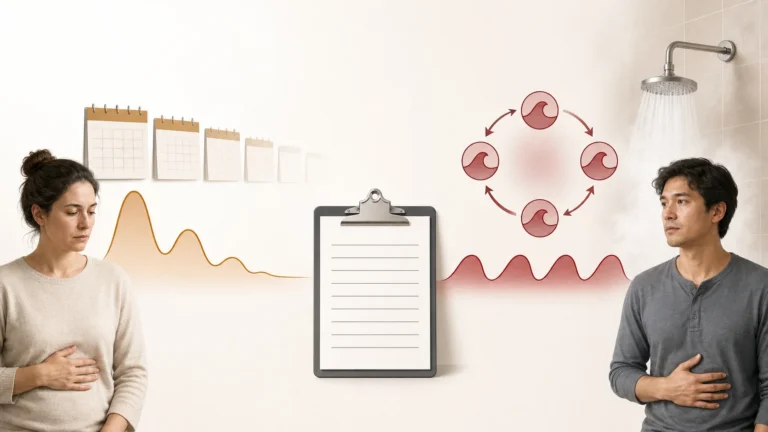
Prepare a one-page timeline
Write down when the current episode began, how often vomiting occurred, whether fluids stayed down, the last urination, abdominal pain, fever, blood, fainting, chest pain, pregnancy possibility, and what has changed from prior episodes. Include symptom-free intervals and previous tests or diagnoses.
For cannabis, list days used per week, sessions or approximate amount, route, product types, potency when known, concentrates, edibles, CBD or delta products, and the last use. Note what happened during previous periods of complete abstinence rather than describing only a tolerance break.
- Bring a current list of prescriptions, over-the-counter medicines, and supplements.
- Include allergies, medical conditions, pregnancy status, and other substance use.
- Bring discharge summaries or laboratory results when available.
Describe observations instead of conclusions
Instead of saying only 'I have CHS,' describe the recurring pattern: when episodes start, how long they last, what happens between them, whether hot water changes symptoms, and whether sustained abstinence changed the pattern. This gives the clinician evidence that can be compared with CHS and other diagnoses.
Hot-water relief and cannabis exposure are relevant but not conclusive. Ask what other causes are being considered, which findings point toward or away from them, and which tests are intended to address urgent alternatives.
Use direct, nonjudgmental cannabis language
A clear statement can be simple: 'I use cannabis most days, including these products, and my last use was at this time.' If you use it for pain, sleep, appetite, anxiety, or another condition, say so. That information helps the team plan alternatives rather than removing a coping strategy without replacement.
If you feel dismissed or judged, redirect to the clinical task: 'I want to give you an accurate history and understand which urgent causes have been evaluated.' If communication remains unsafe or incomplete, ask whether another qualified clinician can review the case when circumstances allow.
Ask questions that produce an action plan
Useful questions include: What are the most likely causes? What dangerous causes have been considered? Do I need fluids, laboratory tests, imaging, or observation? Which warning signs mean I should return immediately? Which medicines or topical products should I use or avoid? Who will review follow-up results?
For suspected CHS, also ask how the clinician defines complete abstinence, what support is available for cravings or withdrawal, and how long the pattern should be followed before confirming or reconsidering the diagnosis.
Leave with the plan in writing
Before discharge, confirm hydration and food instructions, medication directions, skin precautions for any topical treatment, return precautions, and the follow-up appointment or contact. If the plan is unclear, repeat it back in your own words and ask the care team to correct anything you misunderstood.
The strongest record connects the acute episode to the longer plan: complete cannabis cessation, support for withdrawal or cannabis use disorder when needed, and reassessment if symptoms persist or return.
Continue with a focused next step
- Use the CHS Action Plan before a visit
- Review the full CHS symptom pattern
- Understand CHS versus cyclic vomiting syndrome
Sources and further reading
- AGA Clinical Practice Update on CHS (2024)
- NIDDK: Diagnosis of cyclic vomiting syndrome
- SAMHSA: Find substance-use treatment
Selected clinical references
- AGA Clinical Practice Update on CHS diagnosis and management (2024)
- NIDDK: How cyclic vomiting syndrome is diagnosed
- NIDDK: How gastroparesis is diagnosed
Sources are selected for the topic of this page. CHS SOS provides general education, not diagnosis or individualized medical advice, and does not describe content as medically reviewed unless that is explicitly stated.
Questions readers often ask
What is the main takeaway from “How to Talk to Doctors About CHS: A Patient’s Communication Guide”?
Prepare a concise symptom, cannabis-use, medicine, and episode timeline so a clinician can evaluate CHS alongside other possible causes.
Can this information confirm a CHS diagnosis?
No. CHS overlaps with several gastrointestinal and medical conditions. A qualified clinician must evaluate the complete symptom pattern, cannabis exposure, examination findings, and other possible causes.
What should I do next if I am still unsure?
Use the CHS Symptom Check to organize the pattern, review the CHS Action Plan, and bring your timeline to a qualified clinician. Seek urgent care now if severe vomiting or dehydration warning signs are present.
Medical disclaimer: CHS SOS provides educational information and does not diagnose or treat medical conditions. Seek advice from a qualified healthcare professional.
Leave a comment