
For Shaylin Schlosser, the night everything changed started like any other, until she jolted awake in the early hours, her body convulsing in uncontrollable waves of vomiting and her abdomen locked in pain she describes as the worst of her life.
“I genuinely thought I was going to die,” Schlosser recalled.
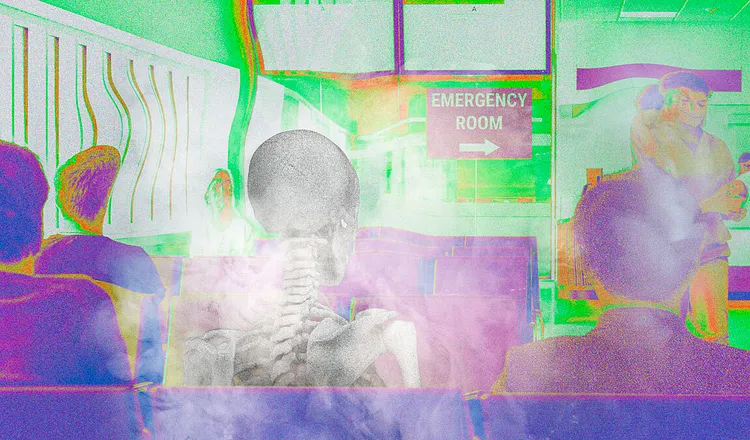
She screamed. A neighbor’s window slammed shut. Between episodes of retching, she managed to call for a ride to the emergency room, where, after ruling out other causes, doctors gave her a diagnosis she had never heard of: cannabinoid hyperemesis syndrome, or CHS.
Her story, reported by Josh Code in The Free Press on October 22, 2025, is one of thousands playing out in emergency departments across the country as a once-obscure condition moves rapidly into the mainstream of cannabis-related medicine.
The syndrome nobody sees coming
CHS is caused by prolonged, heavy cannabis use and produces cyclical episodes of severe nausea, relentless vomiting, and intense abdominal cramping that can stretch on for days. Despite how debilitating the episodes are, the vast majority of patients arrive at the ER with no idea that their cannabis use is responsible, and many physicians still aren’t familiar enough with the condition to identify it quickly.
What makes CHS particularly disorienting for patients is that cannabis is widely marketed and perceived as a remedy for nausea. Many people with CHS have been using it for exactly that purpose, only to discover that the drug has been quietly worsening the problem all along. The more they use to manage the symptoms, the worse the next episode becomes.
One of the syndrome’s most distinctive and clinically useful features is that patients find temporary relief by standing in scalding hot showers or submerging in hot baths. This compulsive bathing behavior can go on for hours and is considered a hallmark sign that separates CHS from other gastrointestinal conditions it closely resembles.
Potency is the accelerant
As The Free Press frames it, today’s cannabis is sending heavy users to the emergency room in a way that the marijuana of previous decades simply did not. The reason is potency. THC concentrations in cannabis products have increased dramatically over the past 30 years, from an average of roughly 4% in the 1990s to 17% or more by the late 2010s, with many edibles, concentrates, and vape products on the market today regularly exceeding 20% THC. Synthetic cannabinoids like Delta-8 and Delta-9 add another layer of risk, operating almost entirely outside regulatory oversight.
The result is that a habit that once carried a relatively contained risk profile now delivers a far heavier neurological and physiological load, and the body’s response, in susceptible individuals, is CHS.
The only exit
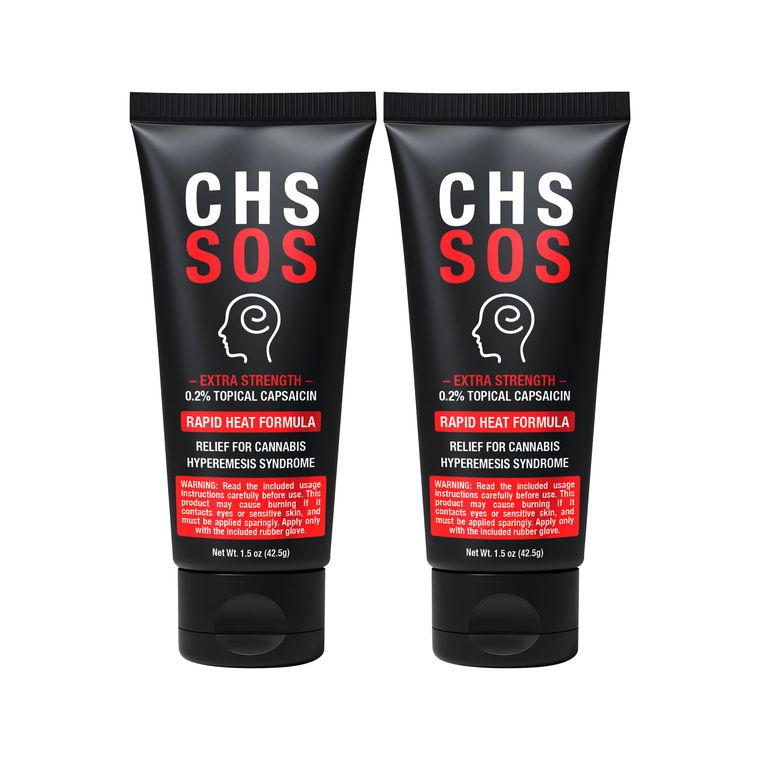
There is no medication that reliably resolves CHS. Standard antiemetics, the drugs routinely used to control nausea and vomiting, frequently fail to make a meaningful dent in CHS episodes. Some patients find partial relief through topical capsaicin or certain antipsychotic medications, but none of these options constitute a cure.
The only intervention that works is complete and permanent cessation of cannabis use: no smoking, no edibles, no vape pens, no wax, no synthetic products. For patients who have built years of daily use into their routines, and who may have come to rely on cannabis to manage anxiety, chronic pain, or sleep problems, this is a profound and often difficult transition.
For Schlosser and the growing number of patients like her, the path forward is clear, even if it isn’t easy. The syndrome resolves when the use stops. It returns when the use resumes.
A condition that can no longer be ignored
Emergency physicians across the United States are reporting steadily increasing CHS caseloads, with some hospitals treating patients with the condition multiple times per week. Nationally, ER visits attributable to CHS doubled between 2017 and 2021, and the trend has continued upward since. An estimated 2.75 million Americans are affected annually, according to recent public health estimates.
Despite these numbers, public awareness of CHS remains remarkably low, both among cannabis users and, in many cases, among general practitioners who may not encounter it frequently enough to recognize it on first presentation. Delayed diagnosis means repeated hospitalizations, unnecessary testing, and prolonged suffering for patients who are never told the cause.
Stories like Schlosser’s, raw, first-person accounts of a night that felt like it might end in death, are increasingly how the public is learning that this condition exists at all.
Source: Josh Code, “Grass Sick: The Mysterious Marijuana Syndrome Filling Emergency Rooms,” The Free Press, October 22, 2025. Additional context drawn from published public health research on CHS. Full article available to Free Press subscribers.
Selected clinical references
- AGA Clinical Practice Update on CHS diagnosis and management (2024)
- NCBI Bookshelf: Cannabinoid Hyperemesis Syndrome
- Cleveland Clinic: CHS symptoms, causes, and treatment
Sources are selected for the topic of this page. CHS SOS provides general education, not diagnosis or individualized medical advice, and does not describe content as medically reviewed unless that is explicitly stated.
Questions readers often ask
What is the main takeaway from ““I Genuinely Thought I Was Going to Die”: One Woman’s CHS Story, and Why It’s Becoming More Common”?
For Shaylin Schlosser, the night everything changed started like any other, until she jolted awake in the early hours, her body convulsing in uncontrollable waves of vomiting and her abdomen locked in…
What pattern makes CHS different from occasional nausea?
CHS is associated with prolonged cannabis exposure and a recurring pattern that may progress through prodromal, hyperemetic, and recovery phases. Hot bathing behavior is common, but no single symptom proves CHS.
What should I do next if I am still unsure?
Use the CHS Symptom Check to organize the pattern, review the CHS Action Plan, and bring your timeline to a qualified clinician. Seek urgent care now if severe vomiting or dehydration warning signs are present.
Medical disclaimer: CHS SOS provides educational information and does not diagnose or treat medical conditions. Seek advice from a qualified healthcare professional.