

Comfort measures may help someone tolerate mild symptoms while arranging care, but they do not diagnose CHS, correct severe dehydration, or prevent another episode. The first decision is whether the situation is safe for any home measure at all.
When vomiting is repeated, fluids will not stay down, or warning signs appear, escalation matters more than trying a longer list of remedies. Complete cannabis cessation and clinical follow-up remain central when CHS is suspected.
Check for urgent warning signs first
Seek urgent medical care when fluids will not stay down, urine becomes very limited or dark, or there is fainting, confusion, blood in vomit, chest pain, severe weakness, fever, or severe or unusual abdominal pain. Pregnancy possibility, diabetes, kidney or heart disease, immune suppression, and other medical conditions can lower the threshold for evaluation.
Do not drive yourself when faint, confused, or severely weak. Bring a list of medicines, supplements, cannabis products, the last use, and the timing of vomiting and urination.
Use fluids cautiously during mild symptoms
If vomiting is not persistent and a clinician has not given different instructions, small amounts of fluid may be easier to tolerate than a large drink. Oral rehydration solutions contain glucose and electrolytes and may be useful for mild dehydration. They do not replace intravenous fluids or laboratory monitoring when losses are severe.
Stop relying on home hydration if intake repeatedly comes back up, dizziness worsens, urine output falls, or weakness makes normal activity unsafe. A fixed recipe or hourly target from a general article cannot account for pregnancy, kidney disease, heart disease, diabetes, medicines, or the severity of losses.
Understand the limits of heat
Hot showers or baths may temporarily change nausea or abdominal discomfort for some people. The response varies and does not confirm CHS. Prolonged or very hot bathing can add fluid loss and create risks of burns, falls, or delayed medical care.
If heat is used for brief comfort, avoid extreme temperatures, remain alert to dizziness, and do not let temporary relief override warning signs. A heating device can also burn skin and should be used only according to its instructions.
Use topical capsaicin only as labeled
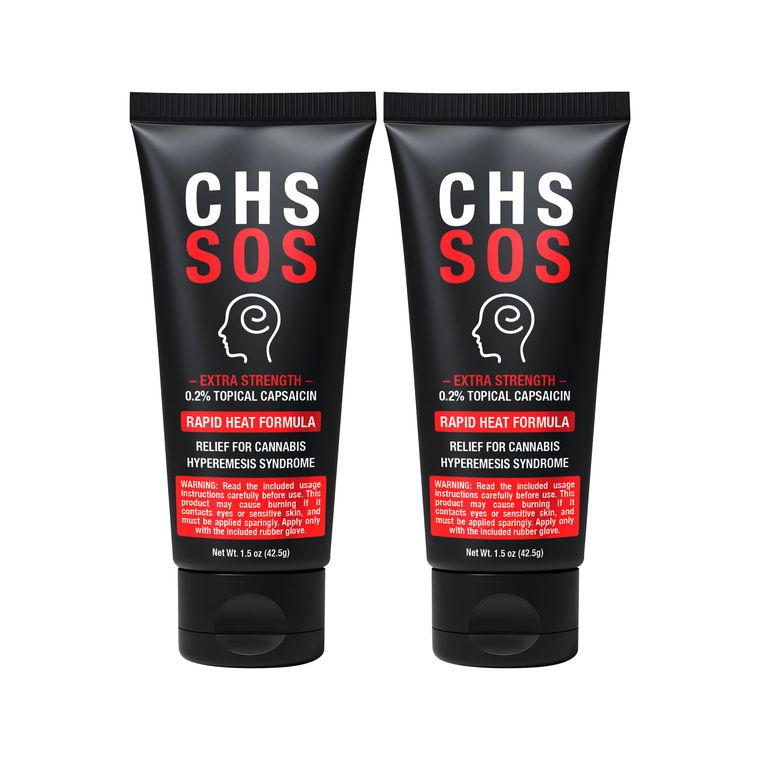
Topical capsaicin has limited evidence for temporary symptom relief in acute CHS care and is thought to involve TRPV1 signaling. It is not a cure and does not replace cannabis cessation, hydration assessment, or clinician-directed treatment.
Capsaicin can cause significant burning and irritation. Apply only to intact external skin as directed by the product label, wash hands or use the provided protection, keep it away from eyes and mucous membranes, and do not use direct heat over the application area. Stop and seek advice for a severe skin reaction.
Keep other comfort measures simple
A quiet room, reduced odors, a comfortable position, and slow movements may make mild nausea easier to tolerate. These low-risk adjustments should not be promoted as nervous-system treatments or guaranteed techniques. Herbal oils, restrictive diets, supplements, and cannabis-based remedies can cause adverse effects, interact with medicines, or prolong diagnostic uncertainty.
In an emergency or urgent-care setting, clinicians may use fluids, laboratory monitoring, and selected medicines based on the presentation. Ask what each treatment is intended to do, which side effects matter, and what the plan is if symptoms return.
Continue with a focused next step
Sources and further reading
- AGA Clinical Practice Update on CHS (2024)
- NIDDK guidance on fluids and vomiting
- MedlinePlus topical capsaicin safety
Selected clinical references
- AGA Clinical Practice Update on CHS diagnosis and management (2024)
- NIDDK: Treatment and dehydration care for cyclic vomiting
- MedlinePlus: Topical capsaicin use and safety precautions
Sources are selected for the topic of this page. CHS SOS provides general education, not diagnosis or individualized medical advice, and does not describe content as medically reviewed unless that is explicitly stated.
Questions readers often ask
What is the main takeaway from “Symptom-Relief Tools: Practical Ways to Reduce Discomfort During CHS Cycles”?
Review low-risk comfort measures for mild CHS-like symptoms, the limits of heat and capsaicin, and the warning signs that require urgent care.
When do nausea or vomiting symptoms need urgent medical care?
Seek urgent care if you cannot keep fluids down, have very little or very dark urine, feel faint or confused, have blood in vomit, chest pain, or severe or unusual pain. Online information should not delay emergency evaluation.
Can topical capsaicin replace cannabis cessation or medical care?
No. Topical capsaicin is discussed as a warming comfort option, not a cure. It does not replace complete cannabis cessation, hydration assessment, emergency care when warning signs are present, or individualized advice from a qualified clinician.
What should I do next if I am still unsure?
Use the CHS Symptom Check to organize the pattern, review the CHS Action Plan, and bring your timeline to a qualified clinician. Seek urgent care now if severe vomiting or dehydration warning signs are present.
Medical disclaimer: CHS SOS provides educational information and does not diagnose or treat medical conditions. Seek advice from a qualified healthcare professional.


Leave a comment