

Young people with repeated vomiting may go through several tests before anyone asks about cannabis use. Western University researchers say that this delay is one reason cannabinoid hyperemesis syndrome (CHS) is often missed.
CHS is linked to ongoing cannabis exposure. It can cause cycles of nausea, vomiting, and abdominal pain. Hot showers or baths may provide temporary relief, but they do not treat the cause.
Why CHS deserves attention in younger cannabis users
Canadian survey data cited by the researchers found past-year cannabis use among 43% of people ages 16 to 19. The figure was 48% among people ages 20 to 24. The same commentary notes that average THC potency has increased sharply since the 1980s.
Those numbers do not mean that every young cannabis user will develop CHS. They do show why clinicians, families, and young adults should recognize the pattern.
What a CHS episode can look like
CHS is often described in three phases:
- Early phase: Morning nausea and abdominal discomfort may begin. Some people use more cannabis because they believe it will settle the stomach.
- Acute phase: Vomiting becomes intense or difficult to stop. Dehydration and abdominal pain can follow. Hot bathing may bring short-lived relief.
- Recovery phase: Symptoms improve after cannabis stops. Returning to cannabis can trigger another cycle.
A person does not need to match every detail for vomiting to be serious. Persistent symptoms always need medical assessment.
Why clinicians may miss the diagnosis
CHS can resemble gastroenteritis, gastroparesis, cyclic vomiting syndrome, an eating disorder, or another gastrointestinal problem. A clinician must consider those alternatives. The challenge is that cannabis exposure and hot-bathing behavior may not come up in the first conversation.
Young patients may also worry about judgment, family reactions, or legal consequences. A calm and private conversation can make honest disclosure easier.
The researchers note another possible source of confusion: repeated vomiting and weight loss can resemble bulimia nervosa. CHS-related vomiting is involuntary and is not driven by body-image concerns. Diagnosis still belongs to a qualified clinician.
What makes an acute episode dangerous?
Repeated vomiting can cause severe dehydration and electrolyte changes. In rare cases, kidney injury can follow. Warning signs include fainting, confusion, very little urine, blood in vomit, chest pain, or an inability to keep fluids down.
Those signs require urgent medical care. A home guide or online quiz cannot determine whether an emergency is developing.
What treatment and recovery involve
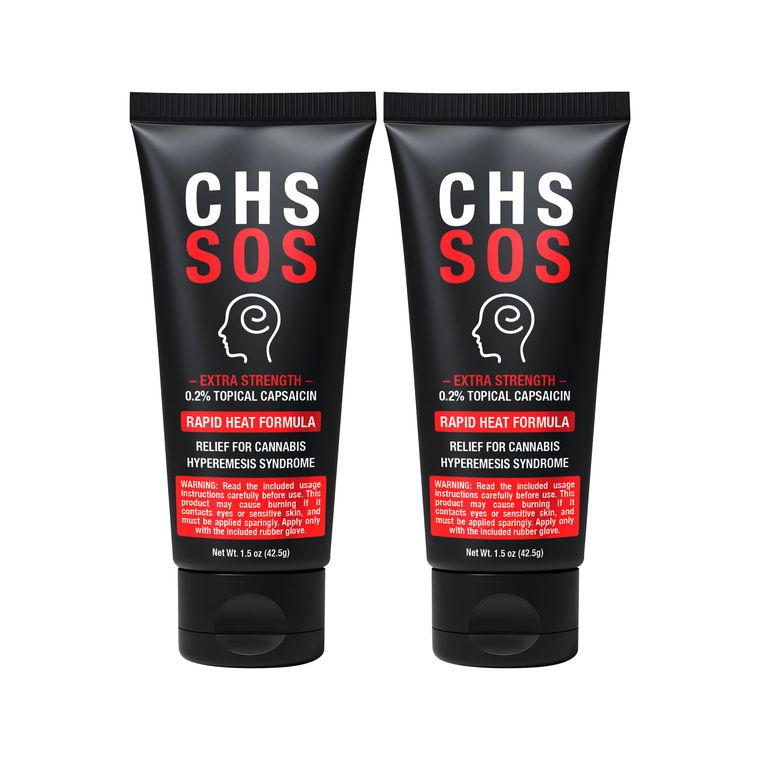
Common anti-nausea medicines do not always control CHS. Research has examined options such as topical capsaicin and low-dose haloperidol for short-term symptom management. Results are not consistent for every patient, and these approaches do not prevent recurrence.
Sustained cannabis cessation is the key long-term step associated with recovery. That can be difficult for a young person who uses cannabis to cope with anxiety, sleep problems, or another concern. Support may need to include a clinician, mental-health care, substance-use counseling, and a practical plan for withdrawal symptoms.
How families and clinicians can respond
- Ask about cannabis use without blame or confrontation.
- Describe the vomiting pattern, timing, and hot-water behavior clearly.
- Bring a list of medicines and other substances to the appointment.
- Discuss support for stopping cannabis and for the reason it was being used.
- Use urgent care when dehydration or another warning sign appears.
Clear information can shorten the path to appropriate care. It can also help a young person understand that CHS is a health issue, not a moral judgment.
Source: Seabrook J, Gilliland J. “Expert insight: The unknown condition causing vomiting in youths using cannabis.” Western University News. June 11, 2025. The source article was republished from The Conversation under a Creative Commons license.
CHS SOS provides general education, not diagnosis or individualized medical advice.
Selected clinical references
- AGA Clinical Practice Update on CHS diagnosis and management (2024)
- NCBI Bookshelf: Cannabinoid Hyperemesis Syndrome
- Cleveland Clinic: CHS symptoms, causes, and treatment
Sources are selected for the topic of this page. CHS SOS provides general education, not diagnosis or individualized medical advice, and does not describe content as medically reviewed unless that is explicitly stated.
Questions readers often ask
What is the main takeaway from “Why CHS Is Often Missed in Young Cannabis Users”?
Why cannabinoid hyperemesis syndrome can be overlooked in young cannabis users, the common symptom pattern, urgent warning signs, and how stigma-free care can help.
What pattern makes CHS different from occasional nausea?
CHS is associated with prolonged cannabis exposure and a recurring pattern that may progress through prodromal, hyperemetic, and recovery phases. Hot bathing behavior is common, but no single symptom proves CHS.
What should I do next if I am still unsure?
Use the CHS Symptom Check to organize the pattern, review the CHS Action Plan, and bring your timeline to a qualified clinician. Seek urgent care now if severe vomiting or dehydration warning signs are present.
Medical disclaimer: CHS SOS provides educational information and does not diagnose or treat medical conditions. Seek advice from a qualified healthcare professional.