

Cannabinoid hyperemesis syndrome is a recurring vomiting disorder associated with prolonged, frequent cannabis exposure. It can cause severe nausea, abdominal pain, dehydration, electrolyte abnormalities, kidney injury, and repeated emergency visits. The condition is increasingly recognized, but no online checklist or single symptom can diagnose it.
This guide organizes the evidence into practical decisions: when symptoms are urgent, what makes clinicians consider CHS, what acute treatments can and cannot do, and why complete cannabis cessation and follow-up are central.
Recognize the recurring clinical pattern
CHS is usually considered when stereotyped episodes of nausea and vomiting occur in someone with a substantial cannabis-use history. Abdominal discomfort, symptom-free intervals, and temporary relief during hot bathing may be part of the pattern. None of these features is universal or specific enough to stand alone.
Some people describe an earlier prodromal period of recurring nausea or abdominal discomfort. Because these symptoms overlap with many conditions, the diagnosis becomes more persuasive through the full episode history and sustained symptom resolution during cannabis abstinence.
Treat repeated vomiting as a safety problem
Seek urgent medical care when fluids will not stay down, urine becomes very limited or dark, or fainting, confusion, blood in vomit, chest pain, severe weakness, fever, or severe or unusual abdominal pain appears. Pregnancy possibility, diabetes, kidney or heart disease, and other medical conditions can change the urgency.
Very hot or prolonged bathing can add fluid loss, burns, and falls. Temporary relief should not delay evaluation or be used as proof that the episode is CHS.
Diagnosis requires more than cannabis exposure
Clinicians review the timing and recurrence of episodes, cannabis frequency and product types, medicines, other substances, hot-water behavior, examination findings, and tests chosen to assess dehydration or alternative diagnoses. Infection, pregnancy-related vomiting, obstruction, pancreatitis, metabolic illness, medication effects, gastroparesis, and cyclic vomiting syndrome can overlap.
The dedicated U.S. ICD-10-CM code R11.16 improves documentation but is not a confirmatory test. A chart code should be supported by the clinical record and follow-up.
Acute treatment manages symptoms and complications
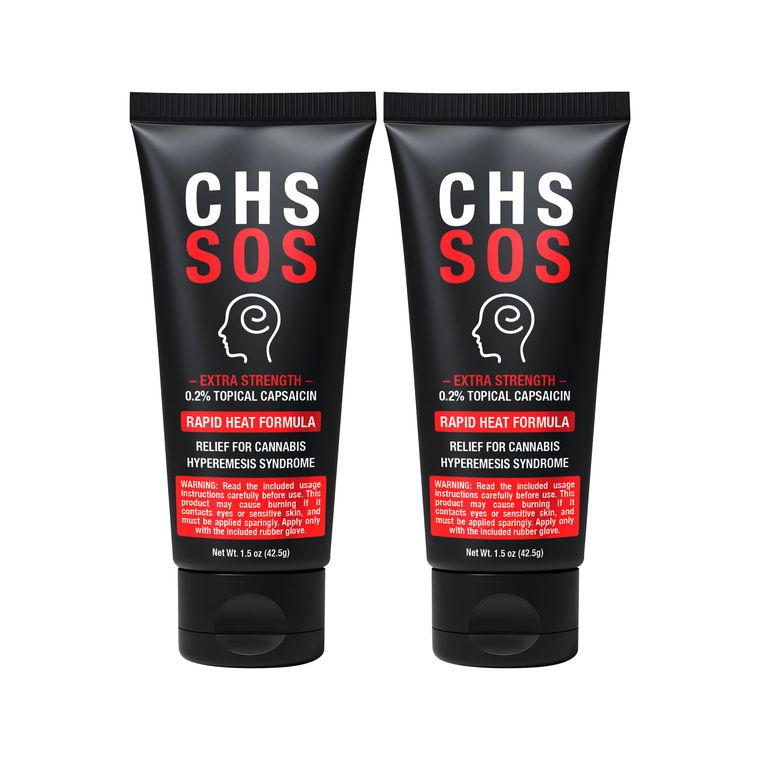
Emergency treatment may include intravenous fluids, electrolyte correction, laboratory monitoring, and clinician-selected medicines. Evidence for specific antiemetics and topical capsaicin is still developing, and response varies. Capsaicin can burn or irritate skin and must be used only as directed on intact external skin, away from eyes and mucous membranes, without direct heat over the application area.
No acute medicine, shower, cream, diet, or supplement replaces evaluation for severe illness or resolves the long-term exposure question.
Complete cessation is the long-term foundation
Clinical guidance centers on complete cannabis cessation and sustained follow-up. Reducing use, switching to CBD or edibles, or taking a short tolerance break does not create a cannabinoid-free observation period. Do not restart cannabis as a diagnostic test.
Stopping can be followed by craving, irritability, mood changes, reduced appetite, sleep disruption, vivid dreams, or headache. A recovery plan may include primary care, gastroenterology, behavioral health, addiction treatment, counseling, and personal support.
Measure recovery through checkpoints
Vomiting, hydration, food tolerance, sleep, mood, and daily function may improve on different schedules. Use symptoms, urine output, nutrition, and function rather than a guaranteed deadline. Persistent, recurring, or changing symptoms should prompt reassessment.
A clear episode diary and sustained abstinence record help a clinician decide whether CHS remains the best explanation or another diagnosis needs attention.
Continue with a focused next step
- Review CHS symptoms and urgent warning signs
- Compare treatment options and their limits
- Use the CHS Action Plan
Sources and further reading
- AGA Clinical Practice Update on CHS (2024)
- Systematic review of CHS diagnosis and treatment
- CDC/NCHS FY 2026 ICD-10-CM files
Selected clinical references
- AGA Clinical Practice Update on CHS diagnosis and management (2024)
- NCBI Bookshelf: Cannabinoid Hyperemesis Syndrome
- Cleveland Clinic: CHS symptoms, causes, and treatment
Sources are selected for the topic of this page. CHS SOS provides general education, not diagnosis or individualized medical advice, and does not describe content as medically reviewed unless that is explicitly stated.
Questions readers often ask
What is the main takeaway from “Cannabinoid Hyperemesis Syndrome: The Complete Guide”?
See how symptoms, cannabis exposure, urgent warning signs, evaluation, and recovery fit together.
What pattern makes CHS different from occasional nausea?
CHS is associated with prolonged cannabis exposure and a recurring pattern that may progress through prodromal, hyperemetic, and recovery phases. Hot bathing behavior is common, but no single symptom proves CHS.
Can topical capsaicin replace cannabis cessation or medical care?
No. Topical capsaicin is discussed as a warming comfort option, not a cure. It does not replace complete cannabis cessation, hydration assessment, emergency care when warning signs are present, or individualized advice from a qualified clinician.
What should I do next if I am still unsure?
Use the CHS Symptom Check to organize the pattern, review the CHS Action Plan, and bring your timeline to a qualified clinician. Seek urgent care now if severe vomiting or dehydration warning signs are present.
Medical disclaimer: CHS SOS provides educational information and does not diagnose or treat medical conditions. Seek advice from a qualified healthcare professional.

Leave a comment