Vaping Weed: Side Effects to Know
Vaping cannabis is often assumed to be the “safer” option compared to smoking, and in some specific ways it is — but it comes with its own set of side effects that are worth understanding rather than assuming away.
Short-term effects
Dry mouth and throat irritation, dizziness, increased heart rate, and — at higher doses — anxiety or paranoia are all common, largely overlapping with the effects of smoked cannabis since the THC itself works the same way regardless of delivery method.
Where vaping actually differs from smoking
Vaping avoids combustion, which means it doesn’t produce the tar and many of the harmful byproducts created by burning plant material. This is a genuine difference and part of why vaping is generally considered less harmful to lung tissue than smoking, though “less harmful” isn’t the same as “harmless.”
Product-specific risks
Vape cartridges, especially unregulated or illicit ones, have been linked to serious lung injury in past outbreaks tied to certain additives (notably vitamin E acetate) used in some illicit products. Sticking to regulated, tested products significantly reduces this specific risk, though it doesn’t eliminate all uncertainty around long-term vaping safety.
Higher potency, different experience
Vape concentrates are often significantly more potent than flower, which means the same habits that worked with smoking can lead to a much stronger effect than intended — including a higher chance of anxiety, panic, or nausea from an effectively larger dose.
FAQ
Is vaping weed better for CHS risk than smoking?
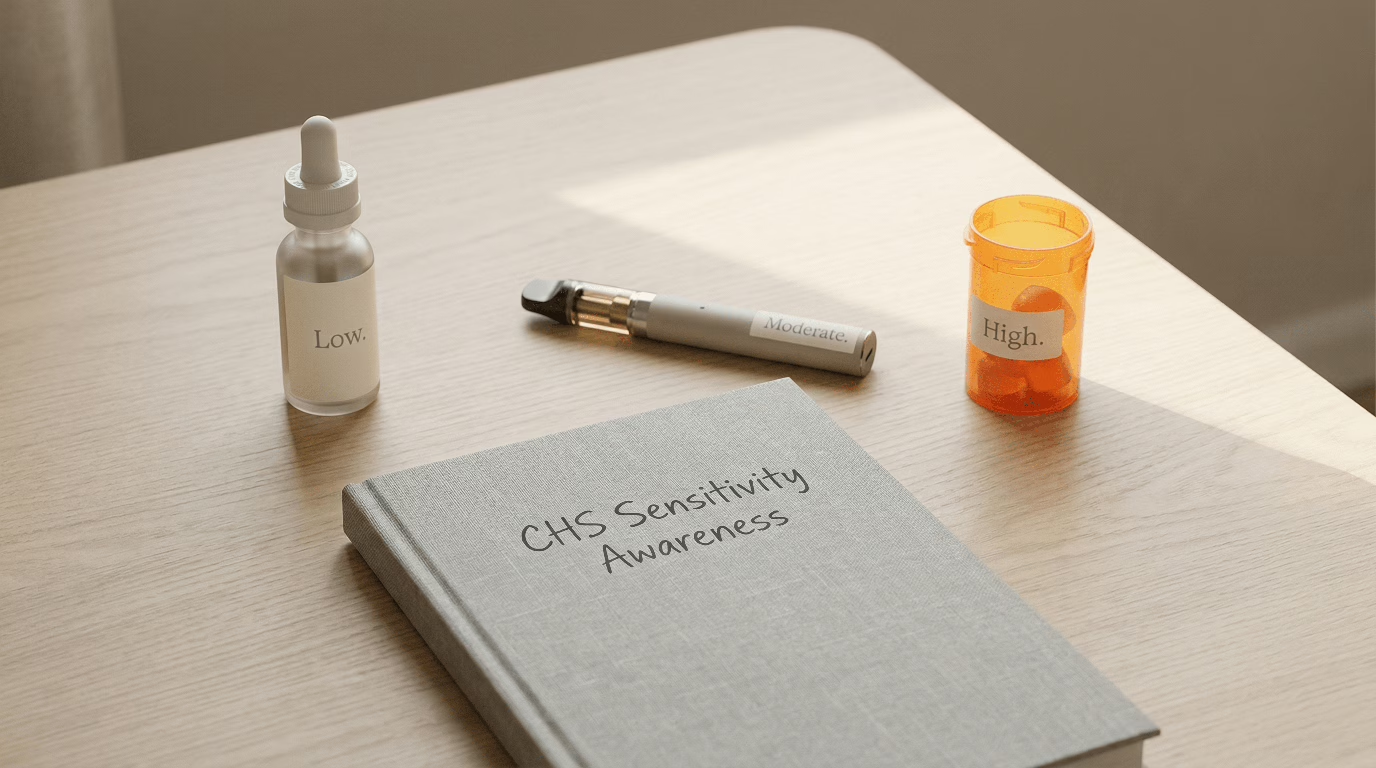
No — Cannabinoid Hyperemesis Syndrome is driven by cumulative THC exposure regardless of delivery method, so vaping doesn’t reduce CHS risk.
Are vape pens more addictive than smoking?
Higher potency products in general are associated with a higher risk of developing problematic use patterns, and many vape products are notably more potent than traditional flower.
Written by the CHS SOS Team · Last updated: July 2026