

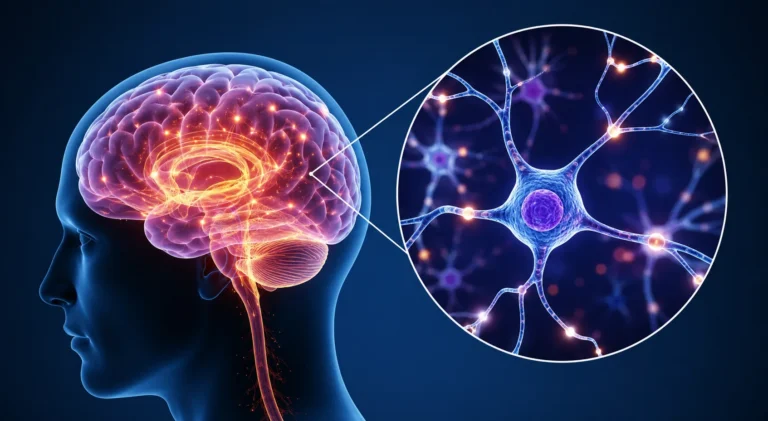
Some people notice slower thinking, distractibility, or difficulty concentrating after stopping regular cannabis use. These symptoms may occur during withdrawal, but brain fog is not specific to cannabis and does not have one dependable timeline.
During CHS recovery, dehydration, poor sleep, inadequate nutrition, anxiety, depression, pain, and medicines can all affect concentration. A useful plan addresses those factors instead of assuming every cognitive symptom has the same cause.
What to track
Note when concentration problems began, whether they fluctuate with sleep or nausea, and whether daily functioning is improving. Include all cannabis products, alcohol, medicines, and supplements in the record. A gradual trend matters more than a promise that symptoms will disappear on a particular day.
- Use one short task at a time and reduce unnecessary multitasking.
- Keep sleep and wake times as consistent as possible.
- Return to food and activity gradually according to medical advice.
- Avoid driving or safety-sensitive work when concentration is significantly impaired.
What recovery does and does not prove
Feeling clearer after sustained abstinence can support the decision to remain cannabis-free, but it does not retrospectively diagnose CHS or rule out another condition. Likewise, several difficult days after stopping do not mean that abstinence is harming the brain.
When brain fog needs evaluation
Contact a clinician if cognitive problems are severe, worsening, prolonged, or accompanied by significant mood symptoms. Sudden confusion, fainting, a new weakness, a severe headache, chest pain, or inability to stay awake requires urgent assessment.
Measure function instead of chasing a perfect feeling
Brain fog is a broad phrase, so make it concrete. Record whether the problem involves attention, memory, word-finding, slowed thinking, or mental fatigue; when it is worst; and which tasks are affected. A short daily note is more useful than repeatedly testing yourself and becoming more anxious about normal variation.
Also record sleep, vomiting, hydration, food intake, pain, mood, medicines, and any return to cannabis or use of other substances. These factors can move together during CHS recovery, and a clinician needs the complete pattern to decide whether further evaluation is appropriate.
Choose one or two repeatable checks, such as completing a familiar work task or following a short written routine, rather than taking multiple online cognitive tests. Informal test scores can change with fatigue and anxiety and should not be used to diagnose the cause of brain fog.
- Break complex work into one visible next step.
- Use reminders for medicines, appointments, and hydration instructions.
- Pause driving or risky work when attention is meaningfully impaired.
Do not attach every cognitive symptom to withdrawal
Concentration may improve as sleep, nutrition, hydration, and withdrawal stabilize, but there is no universal day on which clarity must return. Persistent symptoms can also reflect anemia, infection, thyroid or metabolic problems, medication effects, depression, anxiety, migraine, or another neurologic or medical issue.
Seek urgent care for sudden confusion, a new weakness or facial droop, seizure, fainting, severe headache, chest pain, inability to stay awake, or rapidly worsening symptoms. Arrange nonurgent follow-up when cognitive problems continue to interfere with work, school, medication safety, or basic daily tasks.
Continue with a focused next step
- Review the cannabis-withdrawal timeline
- Understand mood changes after stopping cannabis
- Follow the wider CHS recovery timeline
Sources and further reading
Selected clinical references
- AGA Clinical Practice Update on CHS diagnosis and management (2024)
- National Institute on Drug Abuse: Cannabis and cannabis use disorder
- SAMHSA: Confidential treatment referral and support
Sources are selected for the topic of this page. CHS SOS provides general education, not diagnosis or individualized medical advice, and does not describe content as medically reviewed unless that is explicitly stated.
Questions readers often ask
What is the main takeaway from “Brain Fog After Quitting Cannabis for CHS: What to Expect”?
Temporary concentration problems can occur after stopping regular cannabis use. Learn what else can cause brain fog during CHS recovery and when to seek care.
What is the most important step in preventing CHS from returning?
Complete cannabis cessation is the key step associated with preventing CHS recurrence. Recovery timing differs between people, and support from a qualified clinician or substance-use professional can make the adjustment safer and more manageable.
What should I do next if I am still unsure?
Use the CHS Symptom Check to organize the pattern, review the CHS Action Plan, and bring your timeline to a qualified clinician. Seek urgent care now if severe vomiting or dehydration warning signs are present.
Medical disclaimer: CHS SOS provides educational information and does not diagnose or treat medical conditions. Seek advice from a qualified healthcare professional.
Leave a comment