
Start with timing: one dose, one illness, or a repeating cannabis-linked pattern?
Tap the pattern that best matches the question. The result organizes information; it does not diagnose the cause.
Record the product, dose estimate, time used, and any redosing.
Edible effects can be delayed, which may lead someone to take more before the first dose is fully felt. Anxiety, impairment, nausea, or vomiting after one exposure is not automatically CHS.
- Save the package and ingredient list.
- Include alcohol, nicotine, or other substances.
- Do not drive or take more THC.
Recurring episodes deserve a timeline of all cannabis exposure.
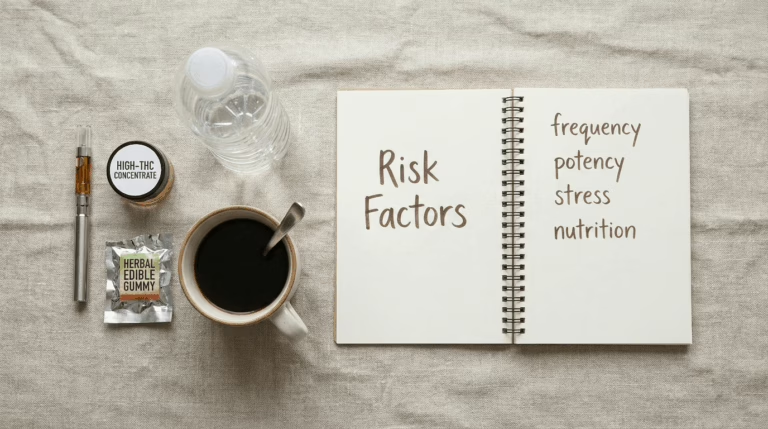
CHS is not limited to smoked cannabis. Clinicians need the full pattern of THC, CBD, concentrates, edibles, frequency, symptom-free intervals, and response to complete abstinence.
- List every cannabis product type.
- Record episode start and return to baseline.
- Note hot-water behavior without treating it as proof.
“Does it dehydrate you?” is often really a question about symptoms and intake.
Cannabis exposure does not tell you hydration status. Repeated vomiting, diarrhea, poor intake, heat, and prolonged bathing can all increase dehydration risk.
- Watch urine amount and color.
- Notice dizziness, fainting, or very dry mouth.
- Inability to keep fluids down needs medical care.
An acute reaction and suspected CHS lead to different follow-up questions.
For a recurring pattern, complete cannabis cessation and clinical follow-up are central. For a severe acute reaction, respond to the immediate safety signs and product exposure.
- Do not use more cannabis to test the theory.
- Bring the timeline to a clinician.
- Seek urgent care for severe or worsening symptoms.
Cannabis commonly causes dry mouth, but dry mouth alone does not prove that the whole body is dehydrated. That distinction matters in CHS, where repeated vomiting and an inability to drink can cause meaningful fluid and electrolyte losses.
Someone may feel thirsty after cannabis without being dangerously dehydrated. Conversely, a person in a severe vomiting cycle can become dehydrated even if dry mouth is not the main complaint. Use the full pattern and warning signs rather than one sensation.
What causes the urgent fluid risk in CHS
During a hyperemetic episode, frequent vomiting removes fluid and electrolytes while nausea makes replacement difficult. Sweating, diarrhea, heat exposure, or spending long periods in very hot showers can add to the problem. Water alone may not be enough when losses are severe, and forcing large amounts can trigger more vomiting.
- Very dark or infrequent urine can signal inadequate hydration.
- Dizziness, fainting, confusion, unusual weakness, or a rapid heartbeat need prompt assessment.
- Blood in vomit, chest pain, severe abdominal pain, or inability to keep fluids down warrants urgent care.
What to do during mild symptoms
If a clinician has not advised otherwise and vomiting is not severe, small frequent sips may be easier to tolerate than a large drink. An oral rehydration solution provides a measured balance of fluid and electrolytes. Avoid using this advice to delay care when symptoms are escalating or urine output is falling.
Hydration treats a complication; it does not stop the CHS cycle or prevent recurrence. If CHS is suspected, complete cannabis cessation and medical follow-up remain central to the plan.
What to tell a clinician
Report how often you are vomiting, when you last urinated, what you have been able to drink, and any medicines or cannabis products used. This gives the care team a clearer picture than describing the problem only as cottonmouth or dehydration.
Read the whole hydration pattern
Hydration cannot be judged from dry mouth alone. Pay attention to whether fluids stay down, how often you urinate, urine color, dizziness when standing, unusual weakness, confusion, and the number of vomiting episodes. These observations help a clinician estimate risk, but they do not replace an examination or laboratory testing when symptoms are severe.
During repeated vomiting, electrolyte losses can matter as much as water loss. Chugging a large drink may trigger more vomiting, and a commercial sports drink is not automatically equivalent to a medical oral rehydration solution. Follow individual advice when kidney, heart, endocrine, or pregnancy-related conditions affect fluid recommendations.
- Record the last time you urinated and whether output is falling.
- Track what you drank and how much stayed down.
- Tell the care team about prolonged hot showers and any diarrhea or fever.
Hot water can hide symptoms while adding fluid loss
A hot shower may temporarily change how nausea or abdominal discomfort feels, which is why some people remain under hot water for long periods. It does not correct dehydration or stop the cause of the episode. Heat and sweating may add to fluid loss, and repeated bathing can delay the decision to seek care.
Use a clear threshold: if small sips will not stay down, urine becomes very limited, or fainting, confusion, severe weakness, chest pain, blood in vomit, or severe pain appears, stop managing the episode at home and seek urgent medical assessment.
Continue with a focused next step
- Use the CHS hyperemetic-phase safety guide
- Review hydration and nutrition during recovery
- Know when CHS symptoms require urgent care
Sources and further reading
- NIDDK: Cyclic vomiting symptoms and dehydration warning signs
- AGA Clinical Practice Update on CHS (2024)
Selected clinical references
- NIDA: Cannabis effects and product context
- NIDDK: Vomiting episodes and dehydration warning signs
- AGA Clinical Practice Update on CHS diagnosis and management (2024)
Sources are selected for the topic of this page. CHS SOS provides general education, not diagnosis or individualized medical advice, and does not describe content as medically reviewed unless that is explicitly stated.
Questions readers often ask
What is the main takeaway from “Does Cannabis Dehydrate You? What It Means During CHS”?
Dry mouth after cannabis is not the same as whole-body dehydration. In CHS, the major fluid risk comes from repeated vomiting and poor intake.
What pattern makes CHS different from occasional nausea?
CHS is associated with prolonged cannabis exposure and a recurring pattern that may progress through prodromal, hyperemetic, and recovery phases. Hot bathing behavior is common, but no single symptom proves CHS.
What should I do next if I am still unsure?
Use the CHS Symptom Check to organize the pattern, review the CHS Action Plan, and bring your timeline to a qualified clinician. Seek urgent care now if severe vomiting or dehydration warning signs are present.
Medical disclaimer: CHS SOS provides educational information and does not diagnose or treat medical conditions. Seek advice from a qualified healthcare professional.
Leave a comment