

Trouble falling asleep, frequent waking, and vivid or unusual dreams are recognized cannabis withdrawal symptoms. Poor sleep can intensify irritability, anxiety, low mood, concentration problems, and cravings, which makes it important to plan for rather than simply endure.
There is no universal night when sleep returns to normal. The goal is to protect sleep opportunity, avoid unsafe self-treatment, and seek help when sleep loss affects safety or mental health.
Build a consistent sleep opportunity
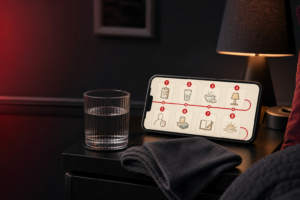
Use a regular wake time, a predictable wind-down, a dark and quiet sleep environment, and reduced stimulating activity near bedtime. Get daylight and appropriate daytime movement when health allows. These steps support the sleep system but are not guaranteed cures.
If a recent CHS episode caused dehydration, poor nutrition, pain, or medication changes, address those factors with the care team because they can also disrupt sleep.
Avoid replacing cannabis with another unreviewed sedative
Alcohol, borrowed medicines, high-dose supplements, sedating antihistamines, and herbal products can cause interactions, next-day impairment, or other adverse effects. Ask a clinician or pharmacist before adding a sleep product, especially with other medicines, pregnancy, liver or kidney disease, breathing problems, or mental health conditions.
There is no FDA-approved medicine specifically for cannabis withdrawal. A clinician may address individual symptoms based on the person's history and risk.
Plan for nighttime cravings
If cannabis was part of the bedtime routine, create a replacement sequence before the evening begins. Reduce easy access, choose a quiet activity, identify someone to contact, and write down the reason for complete cessation after suspected CHS.
A difficult night is not evidence that cannabis is medically necessary or that recovery has failed. It is information that the support plan may need more structure.
Know when sleep loss needs professional attention
Contact a clinician when insomnia causes unsafe driving, inability to work or care for others, severe mood changes, panic, or a sustained decline in function. Seek urgent help for suicidal thoughts, psychosis, severe agitation, or inability to stay safe.
Loud snoring, breathing pauses, severe restless legs, medication side effects, mania symptoms, or insomnia that continues without a gradual improvement trend may need a separate sleep or medical evaluation.
Track trends without clock-watching
Record sleep opportunity, approximate sleep, awakenings, dreams, daytime sleepiness, mood, cravings, caffeine, medicines, and cannabis abstinence. Use the record to discuss trends, not to score each night as success or failure.
Continue the broader CHS plan. CBD, edibles, delta products, or occasional cannabis are not established sleep-safe exceptions during suspected CHS recovery.
Continue with a focused next step
- Review cannabis withdrawal symptoms
- Understand mood changes after stopping
- Follow the CHS recovery checkpoints
Sources and further reading
- NIDA cannabis withdrawal symptom checklist
- SAMHSA treatment and recovery resources
- AGA Clinical Practice Update on CHS (2024)
Selected clinical references
- NIDA Data Share: Marijuana Withdrawal Symptom Checklist
- NIDA: Cannabis and cannabis use disorder
- NIDDK: Diarrhea and dehydration warning signs
Sources are selected for the topic of this page. CHS SOS provides general education, not diagnosis or individualized medical advice, and does not describe content as medically reviewed unless that is explicitly stated.
Questions readers often ask
What is the main takeaway from “Sleep Problems After Stopping Cannabis for CHS”?
Sleep disruption and vivid dreams can occur after stopping cannabis. Use a safe sleep plan and know when insomnia needs clinical care.
What is the most important step in preventing CHS from returning?
Complete cannabis cessation is the key step associated with preventing CHS recurrence. Recovery timing differs between people, and support from a qualified clinician or substance-use professional can make the adjustment safer and more manageable.
What should I do next if I am still unsure?
Use the CHS Symptom Check to organize the pattern, review the CHS Action Plan, and bring your timeline to a qualified clinician. Seek urgent care now if severe vomiting or dehydration warning signs are present.
Medical disclaimer: CHS SOS provides educational information and does not diagnose or treat medical conditions. Seek advice from a qualified healthcare professional.
Leave a comment