

A cannabis tolerance break is a temporary pause generally taken with the intention of using again. That goal does not match the clinical approach to suspected CHS, where sustained cannabinoid abstinence is central to long-term management and to evaluating whether the diagnosis fits.
The idea that a few days or weeks will reset receptors and make future use safe is not supported as a CHS treatment strategy.
Temporary improvement is difficult to interpret
CHS is cyclical, so symptoms can improve between episodes. Stopping cannabis may also begin recovery while a tolerance break is underway. Feeling better during a short pause cannot show that later exposure will be safe or that the syndrome has resolved permanently.
Cannabis withdrawal may add sleep disruption, irritability, reduced appetite, vivid dreams, anxiety, or cravings. Those symptoms can overlap with recovery but do not justify resuming cannabis as a test.
Product changes do not create abstinence
Returning with a lower dose, CBD, edibles, concentrates, or weekend use still introduces cannabinoids and can interrupt the observation period. No product, dose, route, or interval has been validated as a safe reintroduction protocol after CHS.
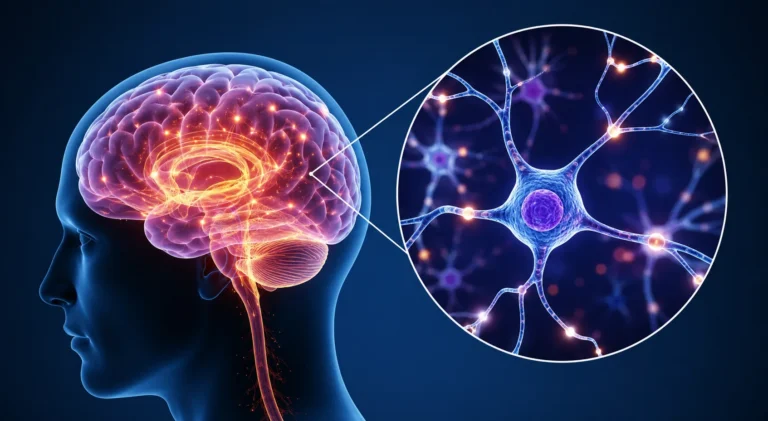
Mechanistic stories about CB1 receptors may help frame research, but they do not produce a personalized reset date.
Use sustained cessation to clarify the pattern
Track vomiting episodes, symptom-free intervals, hydration, food tolerance, hot-water behavior, and complete abstinence. Clinical guidance evaluates sustained resolution across the person's usual episode pattern, which may require longer follow-up than a typical tolerance break.
If symptoms continue despite abstinence, that is a reason to reconsider other causes rather than extend a receptor-reset theory.
Build support around the reason cannabis was used
If cannabis was used for sleep, pain, appetite, stress, anxiety, or another condition, ask a qualified clinician for alternatives. Add practical support for cravings and routines through primary care, behavioral health, addiction treatment, counseling, or trusted people.
A lapse should prompt an early return to the cessation plan without shame. Waiting for another vomiting episode adds risk and does not improve the evidence.
Continue with a focused next step
- Build a practical cannabis-cessation plan
- Prepare for cannabis withdrawal symptoms
- Plan for cannabis cravings
Sources and further reading
- AGA Clinical Practice Update on CHS (2024)
- NIDA cannabis withdrawal symptom checklist
- SAMHSA treatment and recovery resources
Selected clinical references
- AGA Clinical Practice Update on CHS diagnosis and management (2024)
- NCBI Bookshelf: Cannabinoid Hyperemesis Syndrome
- Cleveland Clinic: CHS symptoms, causes, and treatment
Sources are selected for the topic of this page. CHS SOS provides general education, not diagnosis or individualized medical advice, and does not describe content as medically reviewed unless that is explicitly stated.
Questions readers often ask
What is the main takeaway from “Does a Tolerance Break Help With CHS?”?
A tolerance break is designed around returning to cannabis; suspected CHS requires complete cessation and sustained follow-up, not a receptor reset.
What pattern makes CHS different from occasional nausea?
CHS is associated with prolonged cannabis exposure and a recurring pattern that may progress through prodromal, hyperemetic, and recovery phases. Hot bathing behavior is common, but no single symptom proves CHS.
What should I do next if I am still unsure?
Use the CHS Symptom Check to organize the pattern, review the CHS Action Plan, and bring your timeline to a qualified clinician. Seek urgent care now if severe vomiting or dehydration warning signs are present.
Medical disclaimer: CHS SOS provides educational information and does not diagnose or treat medical conditions. Seek advice from a qualified healthcare professional.
Leave a comment