

Start with timing: one dose, one illness, or a repeating cannabis-linked pattern?
Tap the pattern that best matches the question. The result organizes information; it does not diagnose the cause.
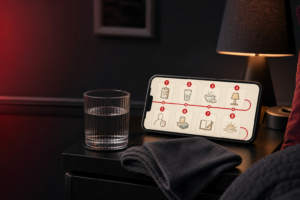
Record the product, dose estimate, time used, and any redosing.
Edible effects can be delayed, which may lead someone to take more before the first dose is fully felt. Anxiety, impairment, nausea, or vomiting after one exposure is not automatically CHS.
- Save the package and ingredient list.
- Include alcohol, nicotine, or other substances.
- Do not drive or take more THC.
Recurring episodes deserve a timeline of all cannabis exposure.
CHS is not limited to smoked cannabis. Clinicians need the full pattern of THC, CBD, concentrates, edibles, frequency, symptom-free intervals, and response to complete abstinence.
- List every cannabis product type.
- Record episode start and return to baseline.
- Note hot-water behavior without treating it as proof.
“Does it dehydrate you?” is often really a question about symptoms and intake.
Cannabis exposure does not tell you hydration status. Repeated vomiting, diarrhea, poor intake, heat, and prolonged bathing can all increase dehydration risk.
- Watch urine amount and color.
- Notice dizziness, fainting, or very dry mouth.
- Inability to keep fluids down needs medical care.
An acute reaction and suspected CHS lead to different follow-up questions.
For a recurring pattern, complete cannabis cessation and clinical follow-up are central. For a severe acute reaction, respond to the immediate safety signs and product exposure.
- Do not use more cannabis to test the theory.
- Bring the timeline to a clinician.
- Seek urgent care for severe or worsening symptoms.
Cannabis is sometimes used for nausea, yet it can also be associated with vomiting. A one-time episode after a high dose is different from recurrent cannabinoid hyperemesis syndrome, and neither explanation should be assumed before other causes are considered.
The most useful information is the pattern: when vomiting began, what product and amount were used, whether episodes recur, and what happens during complete abstinence.
Several patterns can follow cannabis use
Acute overconsumption, especially with delayed-onset edibles or high-potency products, can cause nausea, anxiety, impaired coordination, and vomiting. Contaminants, interactions with alcohol or medicines, and unrelated infections can also be involved. CHS is more likely to be considered when there is prolonged cannabis exposure and a recurring cycle rather than one isolated event.
Features that make CHS worth discussing
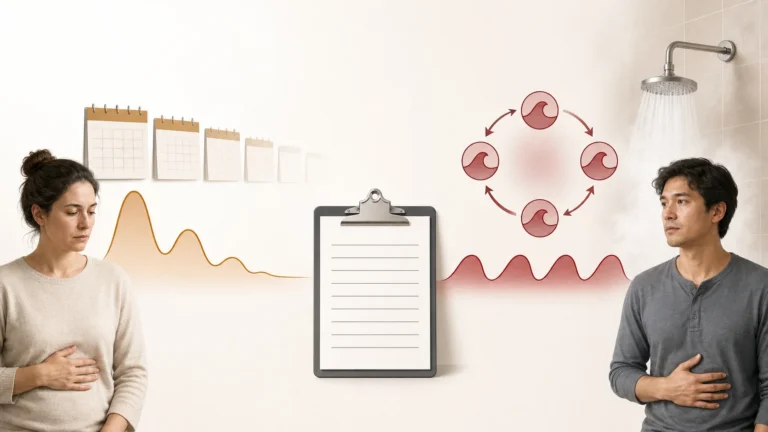
CHS may begin with a prodromal period of morning nausea or abdominal discomfort before severe vomiting appears. Repeated episodes, temporary relief from hot bathing, and recurrence after cannabis is resumed are useful clues. No single clue proves CHS, and some people do not report every classic feature.
- Record the dates and duration of vomiting episodes.
- List THC, CBD, edibles, vapes, concentrates, and other substances.
- Note how long complete abstinence lasted and whether symptoms changed.
- Bring this timeline to a qualified clinician.
Know when vomiting is urgent
Seek urgent care if you cannot keep fluids down, urinate very little, faint, become confused, have blood in vomit, chest pain, or severe or unusual abdominal pain. Hydration advice online should not delay evaluation during a worsening episode.
Start with the timing of cannabis and vomiting
Vomiting soon after a large dose, especially an edible or unfamiliar product, may occur with acute overconsumption. Vomiting that returns in recognizable episodes after prolonged exposure raises a different question. Record the interval between use and symptoms, the amount and route, whether anyone else became ill, and whether there were normal periods between attacks.
Also document abdominal pain, hot bathing, fever, diarrhea, headache, pregnancy possibility, medicines, alcohol or other substances, and any previous episode during abstinence. Cannabis can be part of the history without being the only possible cause, so the timeline should support a full clinical evaluation rather than a self-diagnosis.
- Keep product packaging when accidental overconsumption is possible.
- Do not take more cannabis to test whether nausea improves.
- Use Poison Control or emergency services when acute exposure is concerning.
Recurring vomiting changes the next step
If episodes keep returning, ask a clinician to review cumulative cannabis exposure and competing diagnoses. A sustained period of complete abstinence can provide important information, while switching from flower to vapes, edibles, delta products, or CBD may keep cannabinoid exposure in the picture.
Urgent care is appropriate when fluids will not stay down or dehydration and other warning signs appear. Between episodes, use the symptom-free period to collect records, plan cessation support, and arrange follow-up rather than waiting for the next crisis to reconstruct the history.
Continue with a focused next step
- Compare one-time overconsumption and CHS
- Recognize the stages and symptoms of CHS
- Review what to do during a suspected CHS episode
Sources and further reading
Selected clinical references
- NIDA: Cannabis effects and product context
- NIDDK: Vomiting episodes and dehydration warning signs
- AGA Clinical Practice Update on CHS diagnosis and management (2024)
Sources are selected for the topic of this page. CHS SOS provides general education, not diagnosis or individualized medical advice, and does not describe content as medically reviewed unless that is explicitly stated.
Questions readers often ask
What is the main takeaway from “Can Cannabis Cause Vomiting? When to Consider CHS”?
Cannabis can be associated with vomiting through acute intoxication, product effects, or CHS. The timing and recurrence pattern guide the evaluation.
When do nausea or vomiting symptoms need urgent medical care?
Seek urgent care if you cannot keep fluids down, have very little or very dark urine, feel faint or confused, have blood in vomit, chest pain, or severe or unusual pain. Online information should not delay emergency evaluation.
Can topical capsaicin replace cannabis cessation or medical care?
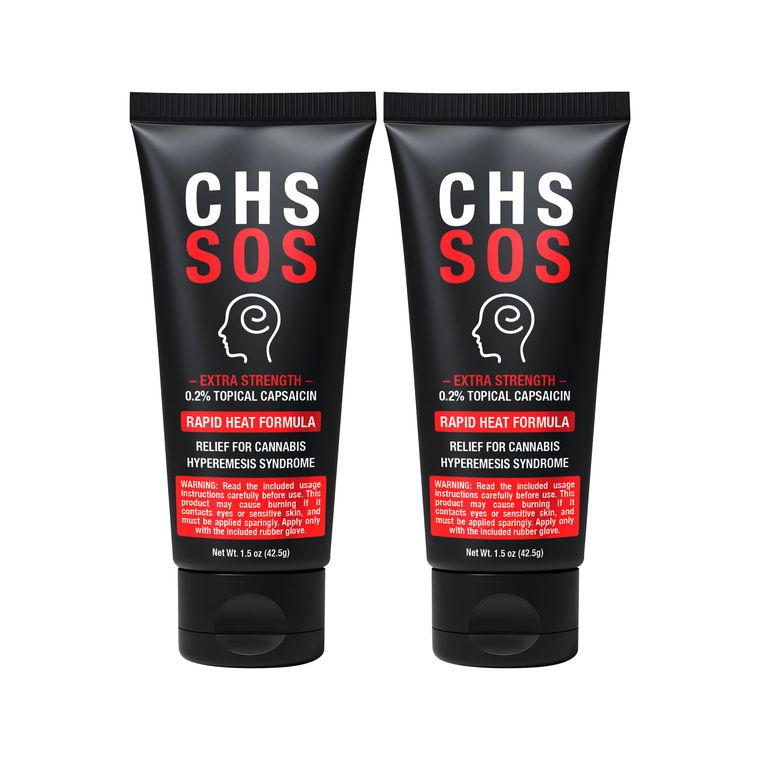
No. Topical capsaicin is discussed as a warming comfort option, not a cure. It does not replace complete cannabis cessation, hydration assessment, emergency care when warning signs are present, or individualized advice from a qualified clinician.
What should I do next if I am still unsure?
Use the CHS Symptom Check to organize the pattern, review the CHS Action Plan, and bring your timeline to a qualified clinician. Seek urgent care now if severe vomiting or dehydration warning signs are present.
Medical disclaimer: CHS SOS provides educational information and does not diagnose or treat medical conditions. Seek advice from a qualified healthcare professional.
Leave a comment