

Separate a frightening THC reaction from signs that need urgent help.
THC can cause anxiety, fear, distrust, or panic. This is a safety organizer, not a diagnosis or a substitute for emergency care.
Stop using cannabis and move to a calm, safer setting.
Do not drive, take more THC, mix substances, or stay alone if you feel unsafe. Tell a trusted person what was used, how much, and when.
- Sit somewhere quiet and familiar.
- Use slow breathing without forcing deep breaths.
- Keep the package or product information available.
Chest pain, fainting, seizures, severe confusion, or trouble breathing need urgent assessment.
Call emergency services for severe or rapidly worsening symptoms, injury risk, loss of consciousness, or if the person cannot be kept safe. An online article cannot rule out a medical emergency.
- New chest pressure or severe breathing difficulty.
- Collapse, seizure, or inability to respond normally.
- Thoughts of self-harm or behavior that creates immediate danger.
Higher THC exposure can increase unwanted mental effects.
NIDA and SAMHSA describe anxiety, fear, distrust, and panic among possible cannabis effects, especially with higher-THC exposure. Individual response and product labeling vary.
- Edibles can be easier to redose before effects are fully felt.
- Potency may be unknown or mislabeled.
- Nicotine, caffeine, and other drugs can complicate the picture.
Write down the product, dose estimate, timing, and symptoms.
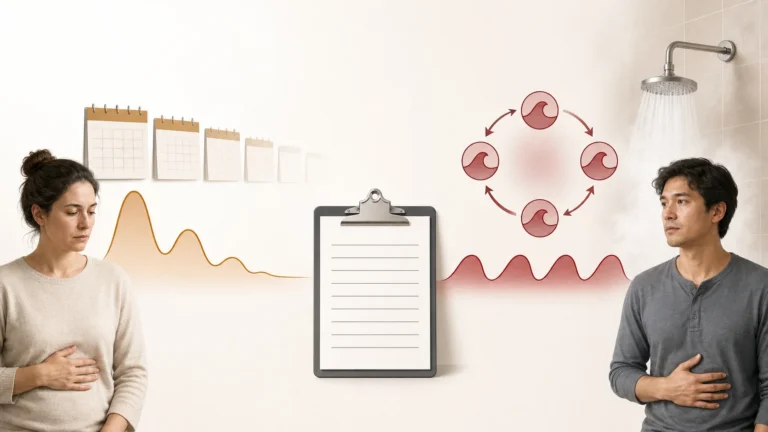
A clinician can help distinguish a substance-induced reaction, an underlying anxiety condition, medication effects, or another cause. Recurrent vomiting belongs on a separate CHS timeline.
- Save the label or a photo of the package.
- Record how long symptoms lasted.
- Seek support if stopping cannabis feels difficult.
Yes — cannabis can cause panic attacks, and it’s one of the more commonly reported acute negative effects, particularly with high-THC products. This isn’t rare or unusual; it’s a documented, dose-related response.
The short answer, with nuance
THC can be anxiogenic (anxiety-producing) at higher doses even though it’s anxiolytic (anxiety-reducing) at lower ones — this is sometimes called a biphasic effect. Where that line sits varies a lot from person to person, which is why the same amount that relaxes one person can trigger panic in another.
What raises the risk
Higher THC concentration, edibles (which are easy to overdose on due to delayed onset), an unfamiliar or high-stress setting, and pre-existing anxiety all increase the odds of a panic response. First-time users are disproportionately affected, in part because they don’t yet know their own tolerance.
Is it dangerous?
A cannabis-induced panic attack is intensely unpleasant but not medically dangerous. It resolves as THC is metabolized, typically within a few hours. That said, the physical symptoms can feel alarming enough that some people seek emergency care, which is a reasonable and safe choice if you’re unsure.
What to do if it happens
Moving to a calm, familiar environment, slow breathing, and reminding yourself that the feeling will pass all help. Our guide on how to stop a weed panic attack walks through this step by step.
FAQ
Can CBD help stop a panic attack from THC?
Some evidence suggests CBD may counteract THC’s anxiety-producing effects, though it’s not a guaranteed fix in the moment.
Does this get better with more cannabis experience?
Often yes — regular users typically build some tolerance to this effect, though it can still happen with a big enough dose increase.
Written by the CHS SOS Team · Last updated: July 2026
Selected clinical references
- NIDA: Cannabis effects, including anxiety, fear, distrust, and panic
- CDC: Cannabis and mental health effects
- SAMHSA: Marijuana and CBD risks and resources
Sources are selected for the topic of this page. CHS SOS provides general education, not diagnosis or individualized medical advice, and does not describe content as medically reviewed unless that is explicitly stated.
Questions readers often ask
What is the main takeaway from “Can THC Cause Panic Attacks? Symptoms, Safety, and What to Do”?
Yes — cannabis can cause panic attacks, and it's one of the more commonly reported acute negative effects, particularly with high-THC products. This isn't rare or unusual; it's a documented, dose-related response.…
Can this information confirm a CHS diagnosis?
No. CHS overlaps with several gastrointestinal and medical conditions. A qualified clinician must evaluate the complete symptom pattern, cannabis exposure, examination findings, and other possible causes.
What should I do next if I am still unsure?
Use the CHS Symptom Check to organize the pattern, review the CHS Action Plan, and bring your timeline to a qualified clinician. Seek urgent care now if severe vomiting or dehydration warning signs are present.
Medical disclaimer: CHS SOS provides educational information and does not diagnose or treat medical conditions. Seek advice from a qualified healthcare professional.

Leave a comment