How to Stop Greening Out (And What Actually Helps)
There’s no button to press that instantly ends a greening-out episode — your body needs time to process the THC no matter what you do. But some responses genuinely make it more bearable, and a few common instincts actually make it worse. Here’s the difference.
Do this first
Sit or lie down
Greening out drops your blood pressure, and standing makes the dizziness worse and raises the risk of fainting or falling. Get low. A couch, a bed, even the floor. Lying on your side is a good idea if nausea is part of the picture, in case vomiting happens.
Get somewhere cool
Cold sweats and a racing heart both respond well to lowering your body temperature a bit. Step outside if it’s cool out, sit near an open window, or splash cool water on your face and wrists.
Sip water slowly
Small sips, not big gulps. You’re not trying to flush anything out — that’s not really how it works — you’re just staying ahead of dehydration, especially if vomiting is involved. Electrolyte drinks work even better if you have them on hand.
Focus on something steady
A lot of the panic that comes with greening out is made worse by closed eyes and a spinning room. Fixing your eyes on something still — a wall, a person’s face, a spot on the ceiling — can cut down on the vertigo and give your nervous system something to anchor to.
CBD, if you have it
There’s decent anecdotal and some early clinical support for CBD counteracting some of THC’s more intense effects, particularly the anxiety and paranoia side of things. If you have a CBD product on hand — oil, a tincture, even a high-CBD strain — it’s a reasonable thing to try. It won’t clear THC from your system faster, but it may take the edge off the psychological symptoms.
Things that don’t actually help
- Forcing yourself to throw up. If nausea builds to that point naturally, fine, but making yourself vomit doesn’t speed anything up and can leave you more dehydrated.
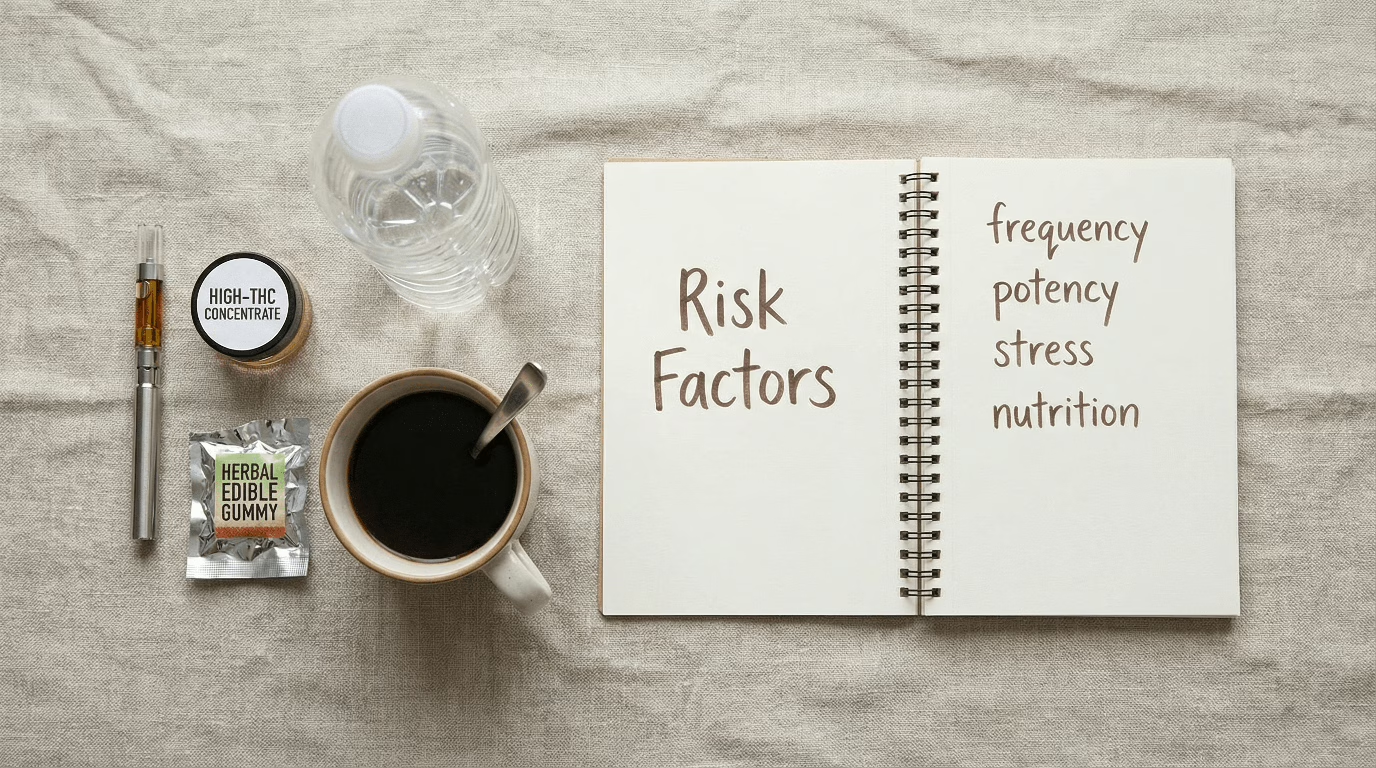
- Caffeine or energy drinks. The idea that caffeine “wakes you up” out of it isn’t backed by anything, and it can worsen the racing heart and anxiety.
- Cold showers. The shock can spike anxiety further for some people, even though it feels intuitively like it should help.
- More cannabis. Occasionally suggested as a way to “smooth out” the experience. It doesn’t reduce THC levels, and if the original issue was too much THC, adding more is not the fix.
How long you’ll be dealing with it
Smoking or vaping tends to resolve within an hour. Edibles run much longer, sometimes several hours, because of how slowly they’re absorbed and metabolized. The full breakdown, including why edibles are so different, is in our greening out timeline guide.
If you’re helping someone else
Stay calm — your tone matters more than you’d think, since anxiety tends to be contagious in the moment. Reassure them it’s temporary and they’re not in real danger. Get them somewhere to sit or lie down, offer water, and just stay with them. Avoid crowding them or bombarding them with questions.
Call for medical help if they lose consciousness, can’t be woken, have chest pain, or the vomiting doesn’t let up after several hours. THC alone very rarely causes anything life-threatening, but it’s never a bad idea to be cautious if something feels off.
Prevention, for next time
The most reliable fix is avoiding the situation in the first place: start low with edibles and wait at least 2 hours before taking more, know your product’s potency, and avoid combining cannabis with alcohol. For the full picture of what greening out is and why it happens, see our greening out overview.
FAQ
Does eating something help?
If your stomach can tolerate it, something bland like crackers can help settle nausea. Don’t force it if you’re actively feeling like you might vomit.
Should I go to the ER?
For a typical episode, no. Go if symptoms are severe and not improving after several hours, if there’s chest pain, or if the person is unresponsive.
Written by the CHS SOS Team · Last updated: July 2026