
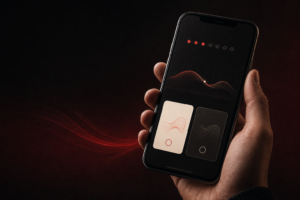
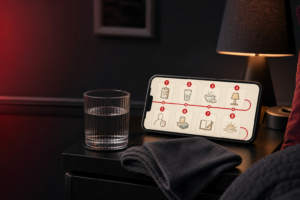
Start with timing: one dose, one illness, or a repeating cannabis-linked pattern?
Tap the pattern that best matches the question. The result organizes information; it does not diagnose the cause.
Record the product, dose estimate, time used, and any redosing.
Edible effects can be delayed, which may lead someone to take more before the first dose is fully felt. Anxiety, impairment, nausea, or vomiting after one exposure is not automatically CHS.
- Save the package and ingredient list.
- Include alcohol, nicotine, or other substances.
- Do not drive or take more THC.
Recurring episodes deserve a timeline of all cannabis exposure.
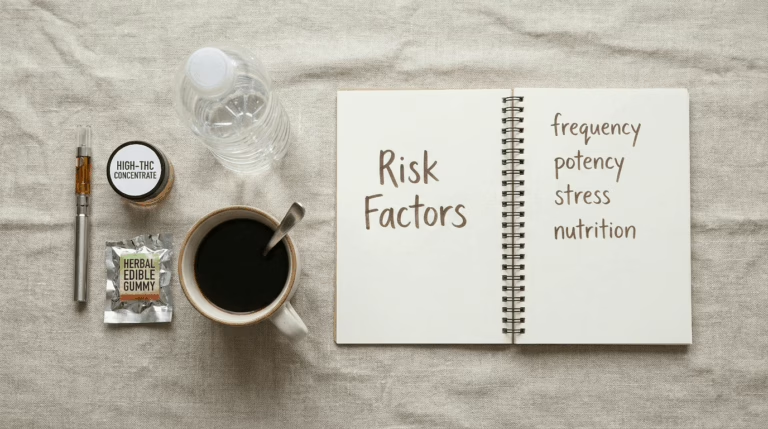
CHS is not limited to smoked cannabis. Clinicians need the full pattern of THC, CBD, concentrates, edibles, frequency, symptom-free intervals, and response to complete abstinence.
- List every cannabis product type.
- Record episode start and return to baseline.
- Note hot-water behavior without treating it as proof.
“Does it dehydrate you?” is often really a question about symptoms and intake.
Cannabis exposure does not tell you hydration status. Repeated vomiting, diarrhea, poor intake, heat, and prolonged bathing can all increase dehydration risk.
- Watch urine amount and color.
- Notice dizziness, fainting, or very dry mouth.
- Inability to keep fluids down needs medical care.
An acute reaction and suspected CHS lead to different follow-up questions.
For a recurring pattern, complete cannabis cessation and clinical follow-up are central. For a severe acute reaction, respond to the immediate safety signs and product exposure.
- Do not use more cannabis to test the theory.
- Bring the timeline to a clinician.
- Seek urgent care for severe or worsening symptoms.
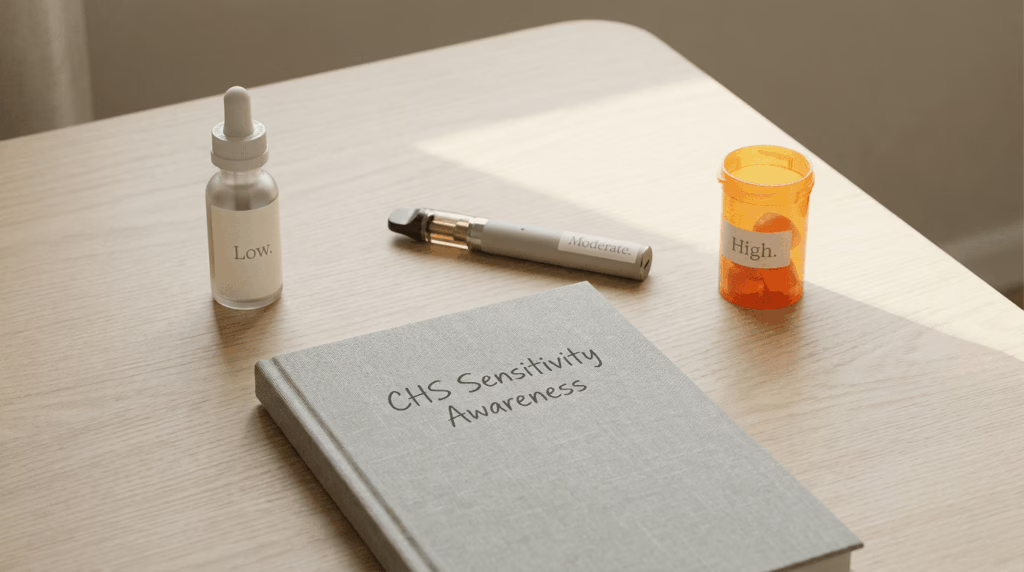
After a suspected CHS episode, it is understandable to ask whether changing the product, route, or frequency could preserve some cannabis use. Current clinical guidance does not establish a safe edible, CBD, microdose, weekend-use, or topical-cannabinoid exception for evaluating and managing CHS.
Complete cannabis cessation provides the clearest path for long-term management and diagnostic follow-up. Reintroducing a cannabinoid to test tolerance can recreate risk without proving which product, dose, or mechanism caused the earlier illness.
Changing the route does not remove cannabinoid exposure
Smoking, vaping, eating, or drinking cannabis changes onset, duration, and intoxication risk, but each route can deliver cannabinoids systemically. Edibles can be especially unpredictable because effects are delayed, may last longer than expected, and product strength may be difficult to judge.
There is not good evidence that edibles are universally more likely than inhaled cannabis to trigger CHS, nor that inhalation is a safer reintroduction strategy. Those claims go beyond the available research.
CBD is not a verified CHS workaround
CBD products may contain THC or other cannabinoids, and the labeled concentration may not match the contents. CBD can also interact with medicines and has its own safety considerations. A product being non-intoxicating does not establish that it is appropriate during suspected CHS.
Topical products vary. Some are intended to act locally, while transdermal products may be designed for systemic delivery. Discuss all oral and topical cannabinoid products with a qualified clinician rather than assuming a cream, isolate, or hemp label creates no exposure.
Occasional use is not a controlled self-test
A symptom-free interval after stopping cannabis can occur during recovery, but cyclical disorders also include well periods. Using once a week or trying a small dose does not provide a medically controlled answer and may interrupt the sustained abstinence period used to evaluate the pattern.
Do not rely on a fixed number of weeks or months before reintroduction. Professional guidance emphasizes sustained resolution during abstinence, and recurrence after renewed exposure is described in the literature.
Replace the function cannabis was serving
If cannabis was used for sleep, pain, appetite, anxiety, trauma symptoms, or another condition, ask for alternatives that fit your medical history. A cessation plan is more durable when it addresses the original need rather than treating abstinence as a test of willpower.
Support may include primary care, behavioral health, addiction treatment, counseling, or trusted personal support. Seek urgent care for repeated vomiting, inability to keep fluids down, fainting, confusion, blood, chest pain, severe weakness, or severe pain.
Continue with a focused next step
- Review CBD and nausea safety questions
- Understand why a tolerance break is different
- Read the complete CHS guide
Sources and further reading
- AGA Clinical Practice Update on CHS (2024)
- FDA consumer update on CBD products
- CDC: Cannabis and edible poisoning risk
Selected clinical references
- NIDA: Cannabis effects and product context
- NIDDK: Vomiting episodes and dehydration warning signs
- AGA Clinical Practice Update on CHS diagnosis and management (2024)
Sources are selected for the topic of this page. CHS SOS provides general education, not diagnosis or individualized medical advice, and does not describe content as medically reviewed unless that is explicitly stated.
Questions readers often ask
What is the main takeaway from “Edibles, CBD & Occasional Use: Understanding Their Role in CHS-like Symptoms”?
Edibles, CBD, concentrates, and occasional use do not create a proven safe workaround after suspected CHS. Understand why route and label claims can mislead.
Can this information confirm a CHS diagnosis?
No. CHS overlaps with several gastrointestinal and medical conditions. A qualified clinician must evaluate the complete symptom pattern, cannabis exposure, examination findings, and other possible causes.
Can topical capsaicin replace cannabis cessation or medical care?
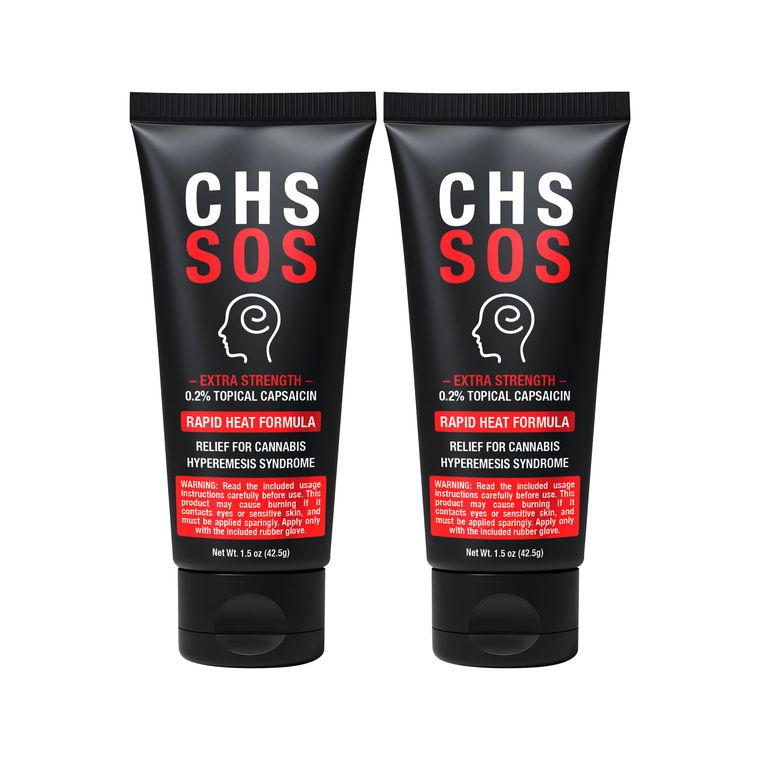
No. Topical capsaicin is discussed as a warming comfort option, not a cure. It does not replace complete cannabis cessation, hydration assessment, emergency care when warning signs are present, or individualized advice from a qualified clinician.
What should I do next if I am still unsure?
Use the CHS Symptom Check to organize the pattern, review the CHS Action Plan, and bring your timeline to a qualified clinician. Seek urgent care now if severe vomiting or dehydration warning signs are present.
Medical disclaimer: CHS SOS provides educational information and does not diagnose or treat medical conditions. Seek advice from a qualified healthcare professional.

Leave a comment